
A circuit worth following
AI film now has a festival circuit of its own, and it moves quickly. The new Festivals section follows fourteen festivals and competitions that meet one bar: a named organiser, public rules, a jury or defined judging process, and results the organiser publishes. Each page sets out what is open for entries, what is coming up and who won. Deadlines and phases are worked out from the organiser’s own dates, so a closed call never reads as open. Three calls are open now: WAIFF, Chroma Awards Season 2 and Torino Underground Cinefest’s AI Visions.
The winners, playable
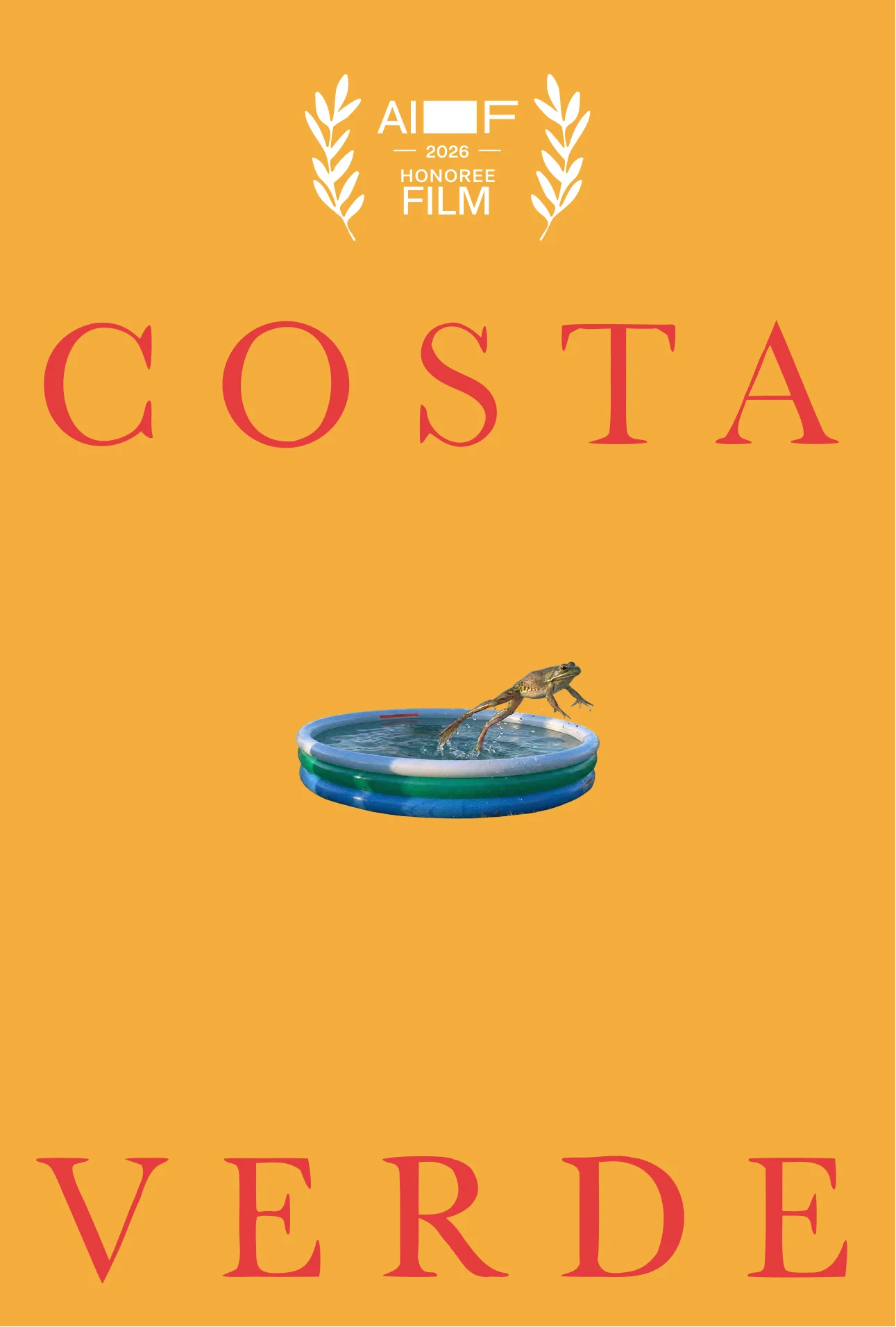
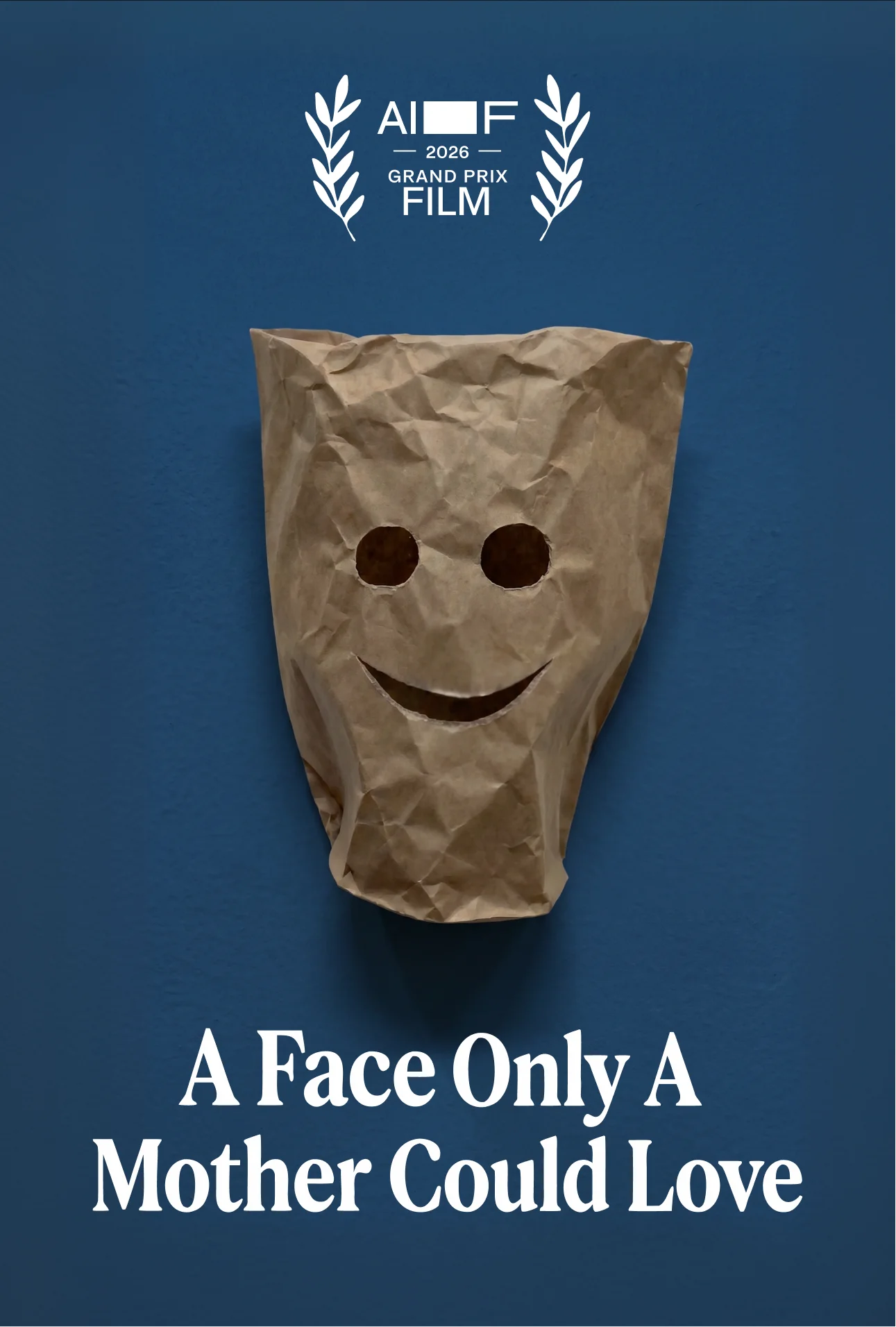
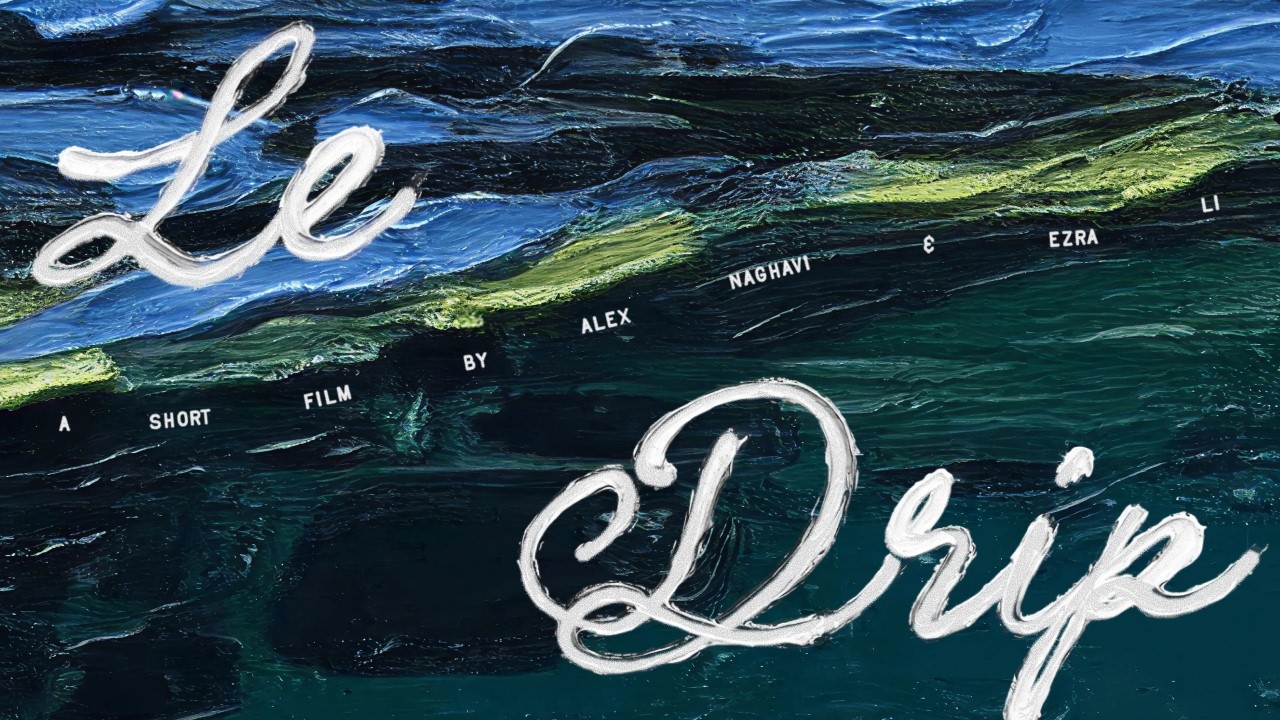
Results are only useful if the films can be seen. Every winner was traced to its official release, from the creator’s or organiser’s channel wherever possible, and more than sixty winning films joined the collection. Costa Verde, Léo Cannone’s Best WAIFF Film, and A Face Only a Mother Could Love, which won at Runway, Reply and OMNI, are now playable in full from their makers or original publishers. Le Drip, second at Reply and a winner at OMNI, is on its director’s channel.
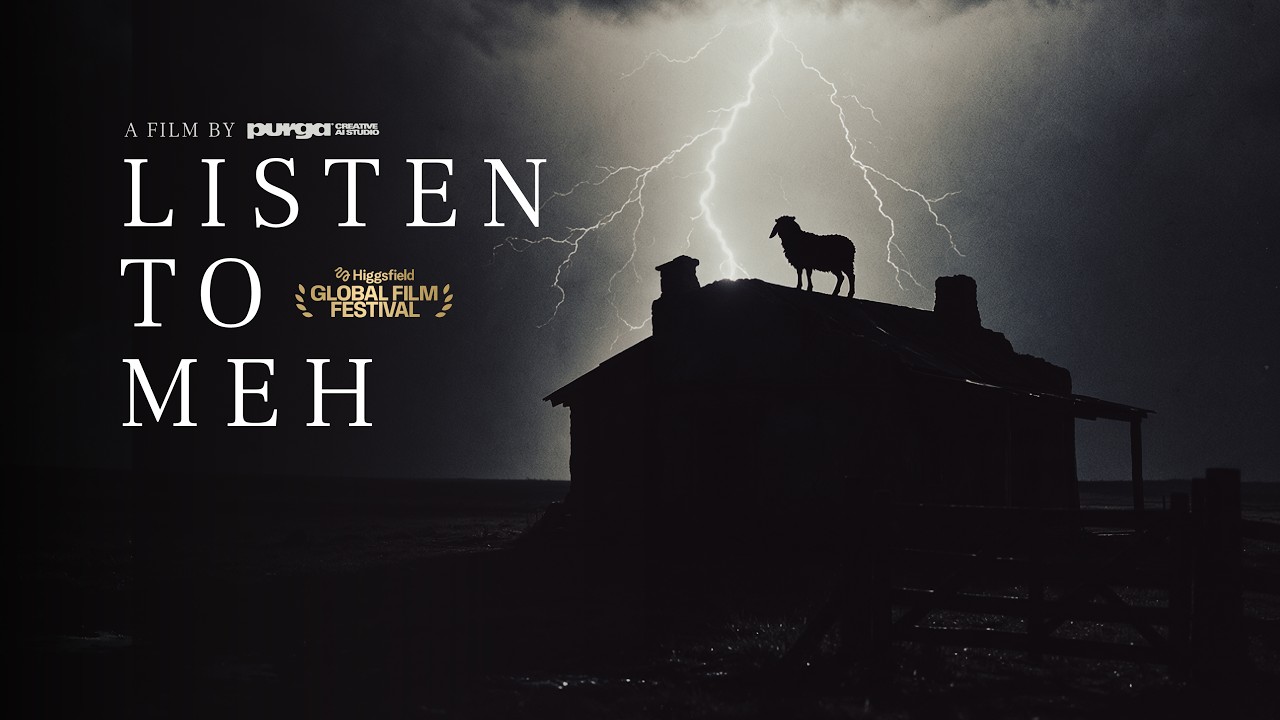
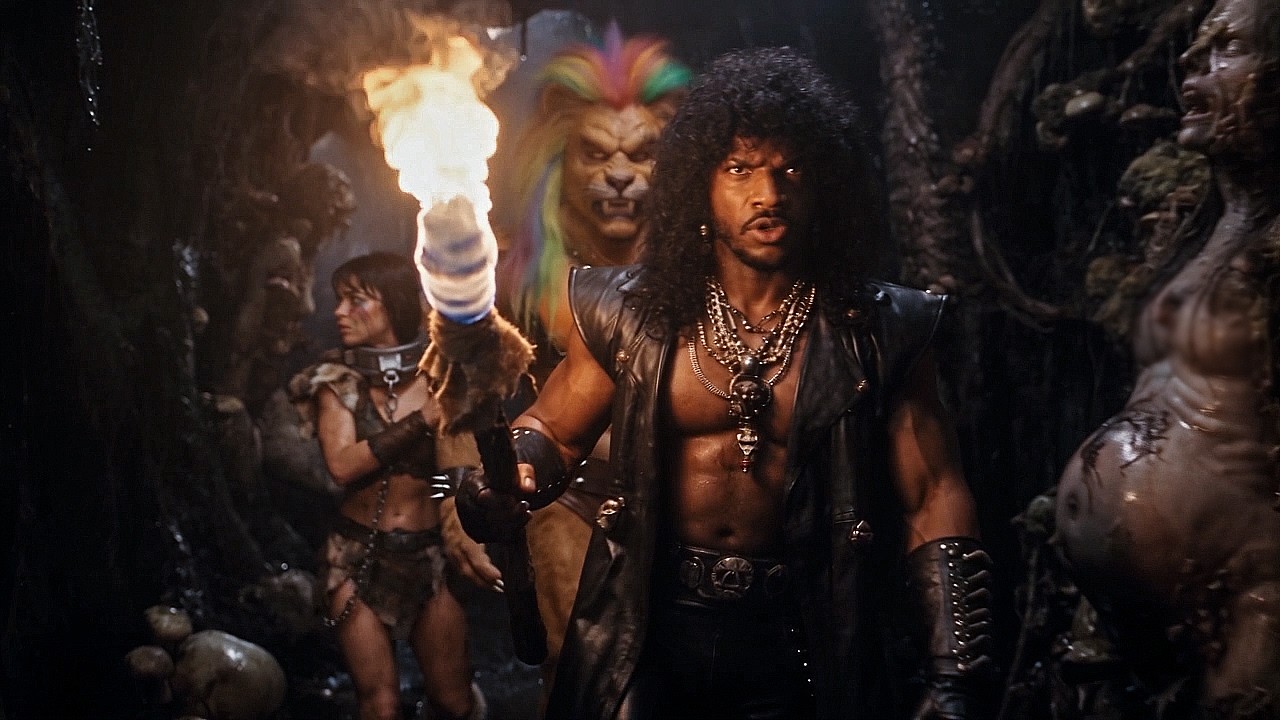
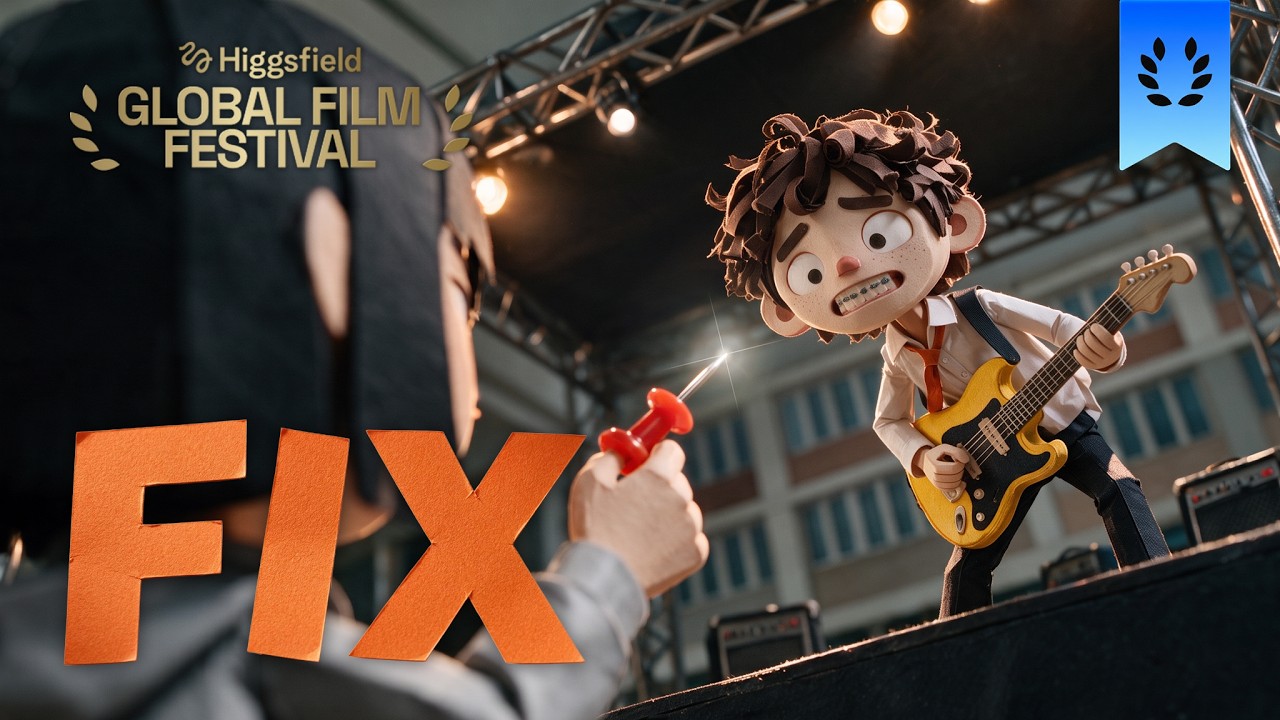
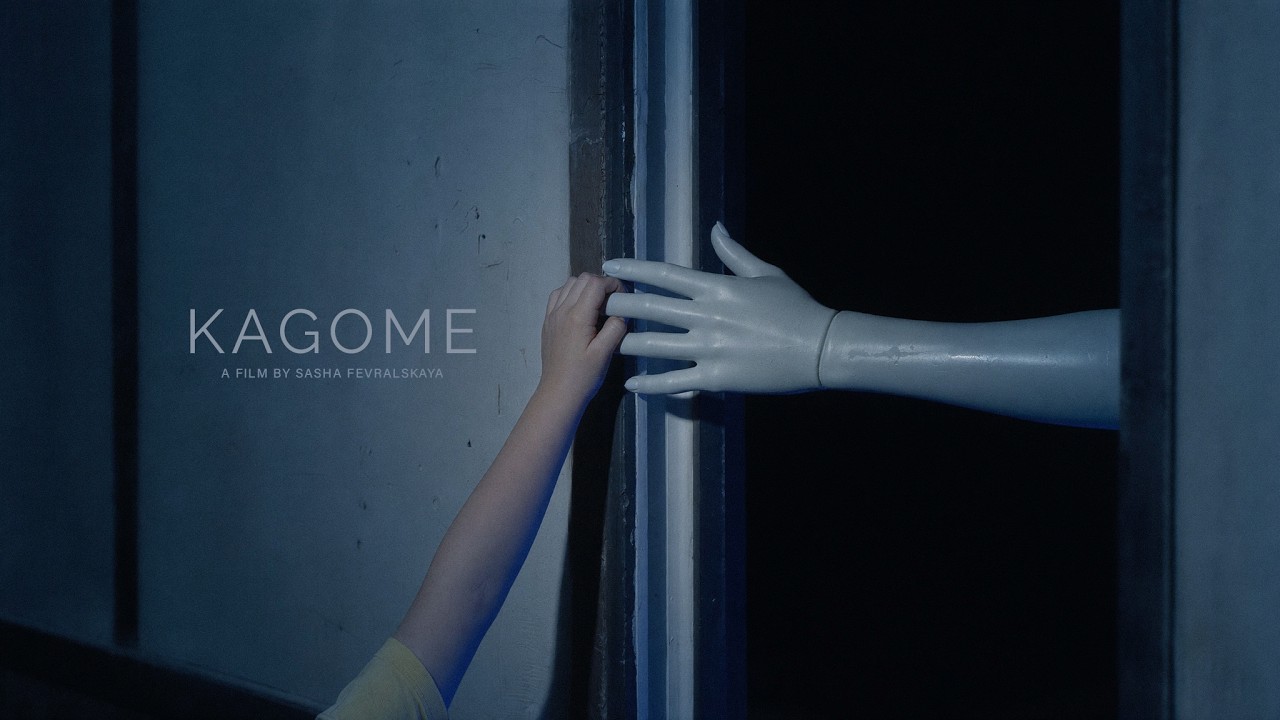
Platform contests produced some of the strongest new entries. Purga Studio’s Listen to Meh took Higgsfield’s first prize, and Ryan Lightbourn’s retro adventure Black Thunder won Lumara’s Serenissima Award. Production Pi’s paper-world FIX won Lumara’s young-audience prize after a Higgsfield honourable mention. Kagome won Curious Refuge’s three-minute horror competition.
Documentary and essay forms
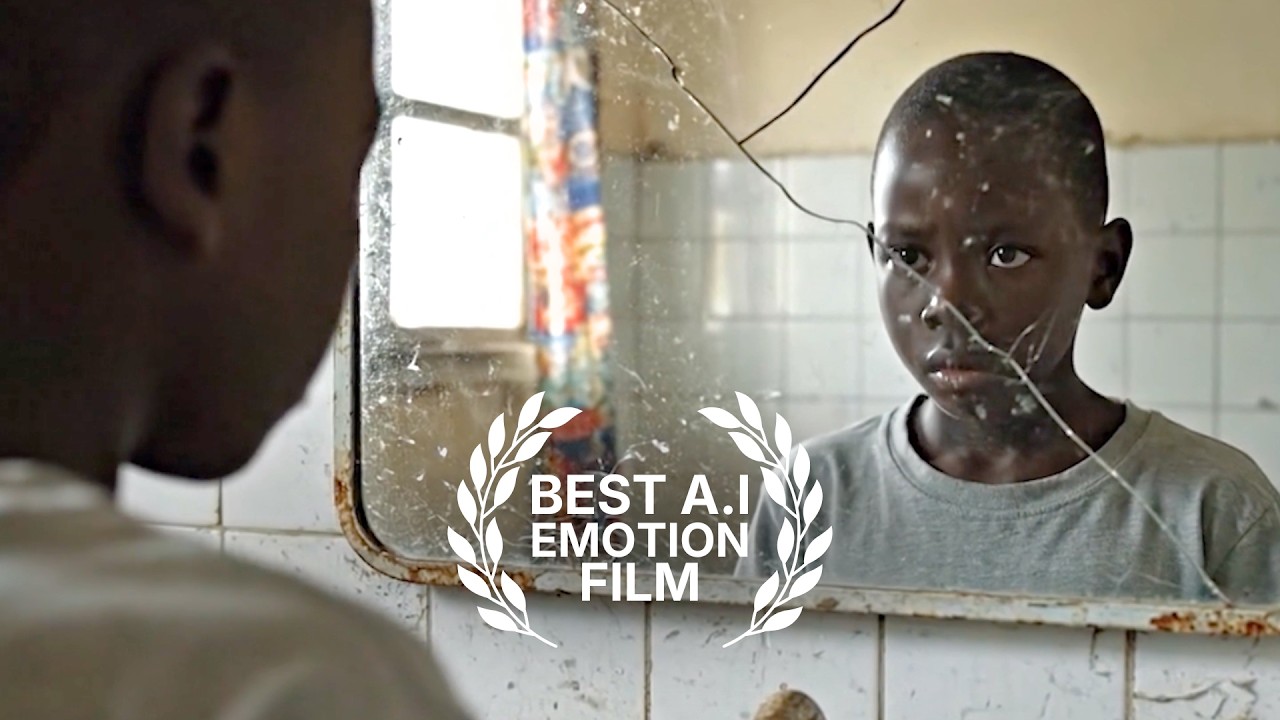
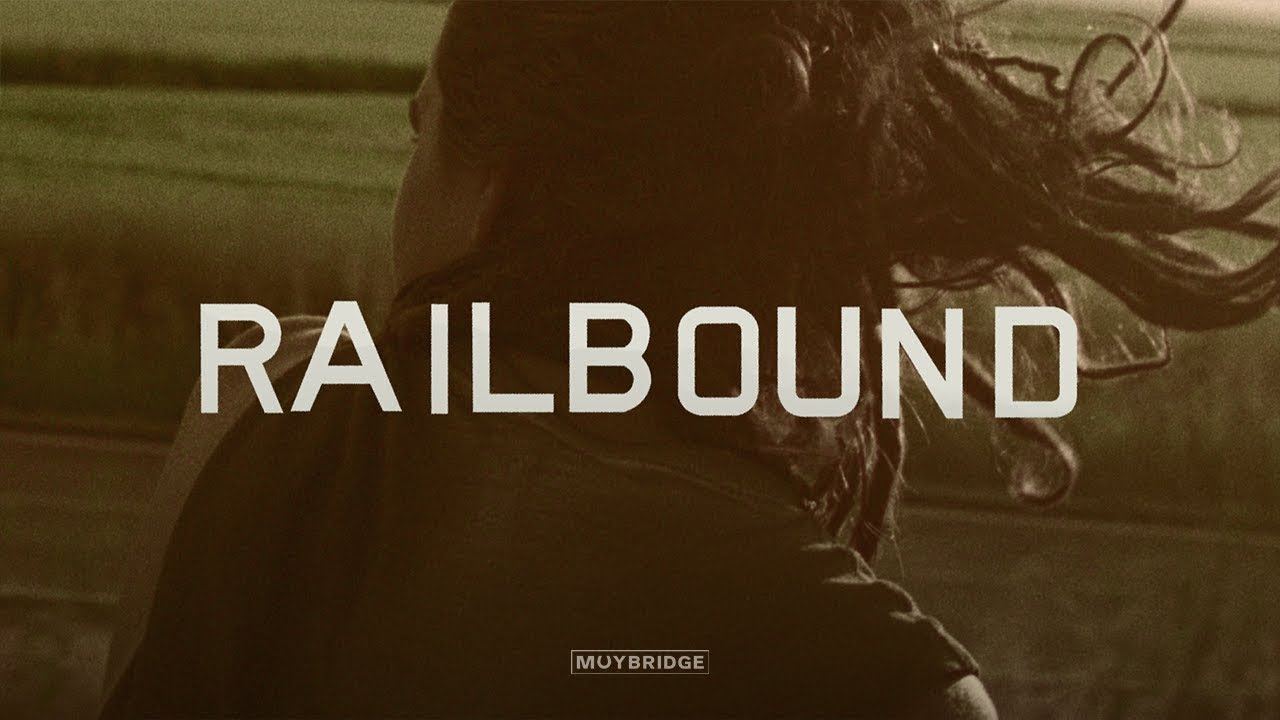
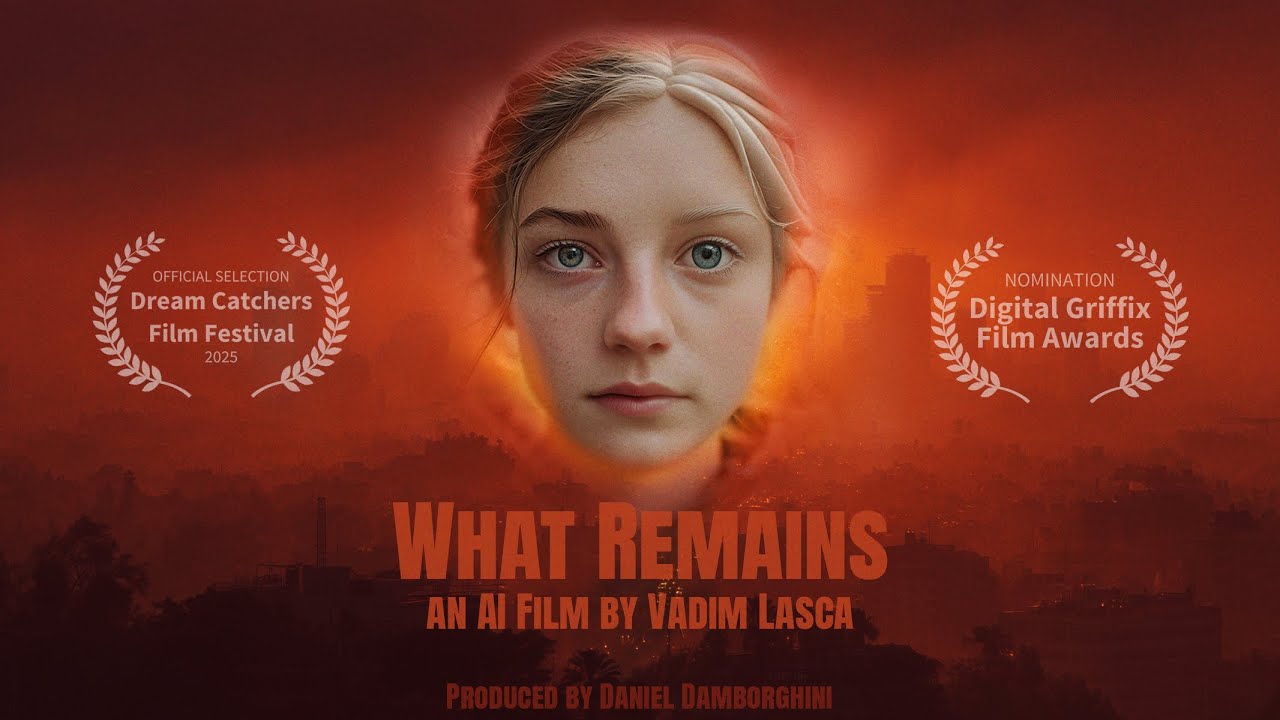
Several winners use AI for non-fiction rather than invented worlds. Railbound, directed by Jonathan Perry with Le Drip’s Alex Naghavi as visual director, won Chroma’s documentary category. Gavin Carlton’s The Sultana Disaster of 1865 won Austin’s documentary award, and Vadim Lasca’s mockumentary What Remains was a runner-up at AI Film Festival Japan. Ibraheem Diab’s The Beginning won WAIFF’s Best AI Emotion Film.
What stays unplayed
Some winners have no public release the journal could find, and their pages say so instead of linking a re-upload. Where only an organiser’s programme holds a film, as with two of Lumara’s winners, the link opens at that point. Trailers, adverts and visual studies that won awards are linked from their results but are not catalogue films. The journal has not watched every winning film in full.
Daily additions — repair, confidantes and continuity
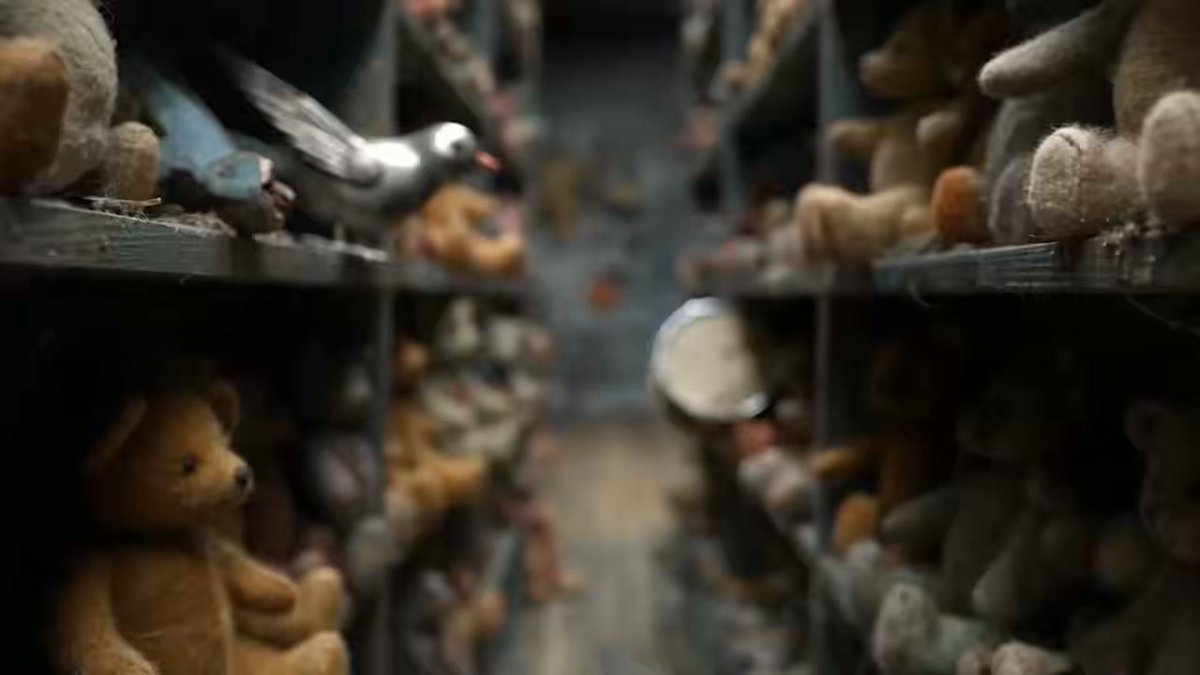
The Toy Mender adds Kelly Boesch’s complete two-minute workshop story. An elderly visitor, a small giraffe and the mender’s careful handling give repair an emotional function. Her release names Seedance and Dreamina creative-partner access without an exact version or additional crew credits.
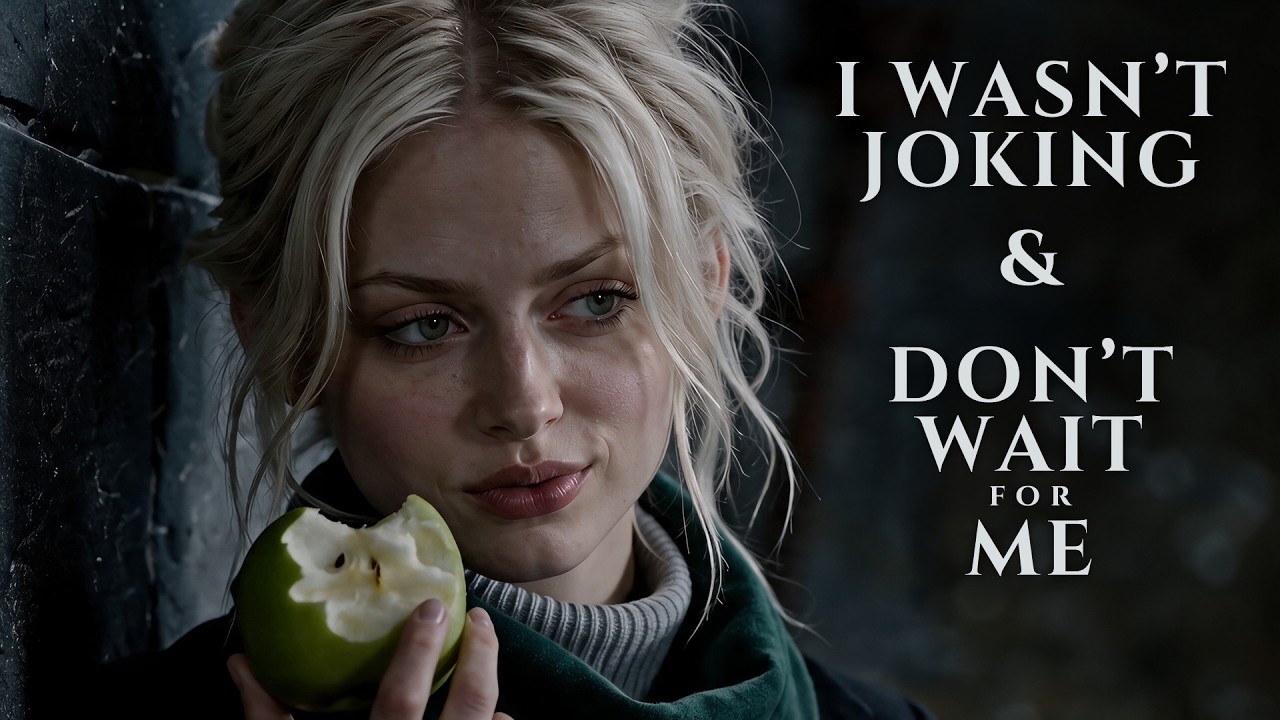
Malfoid adds I Was Joking, Part 5 — Was That Worth It?, a complete 3:12 original. The maker explains adding Lisa Turpin so Daphne has someone to confide in: another character changes what the story can reveal. Twelve caption language/region variants are an access addition, not twelve dubs.
Obliteration gains its creator’s newly identified visual starting point, a previously shared painting of spacecraft attacking a city. Artist and title remain unverified; none is invented. JeffTriesThings adds a separate practical note on extending a sung performance: preserve 39 overlap frames and the audio timing, and place the join in a pause. That demonstration is not counted as another complete music video.
These daily additions extend the festival report above. The new short and episode were checked against original releases and current full players, with sampled scenes and work-specific disclosures; no full critical viewing is claimed.