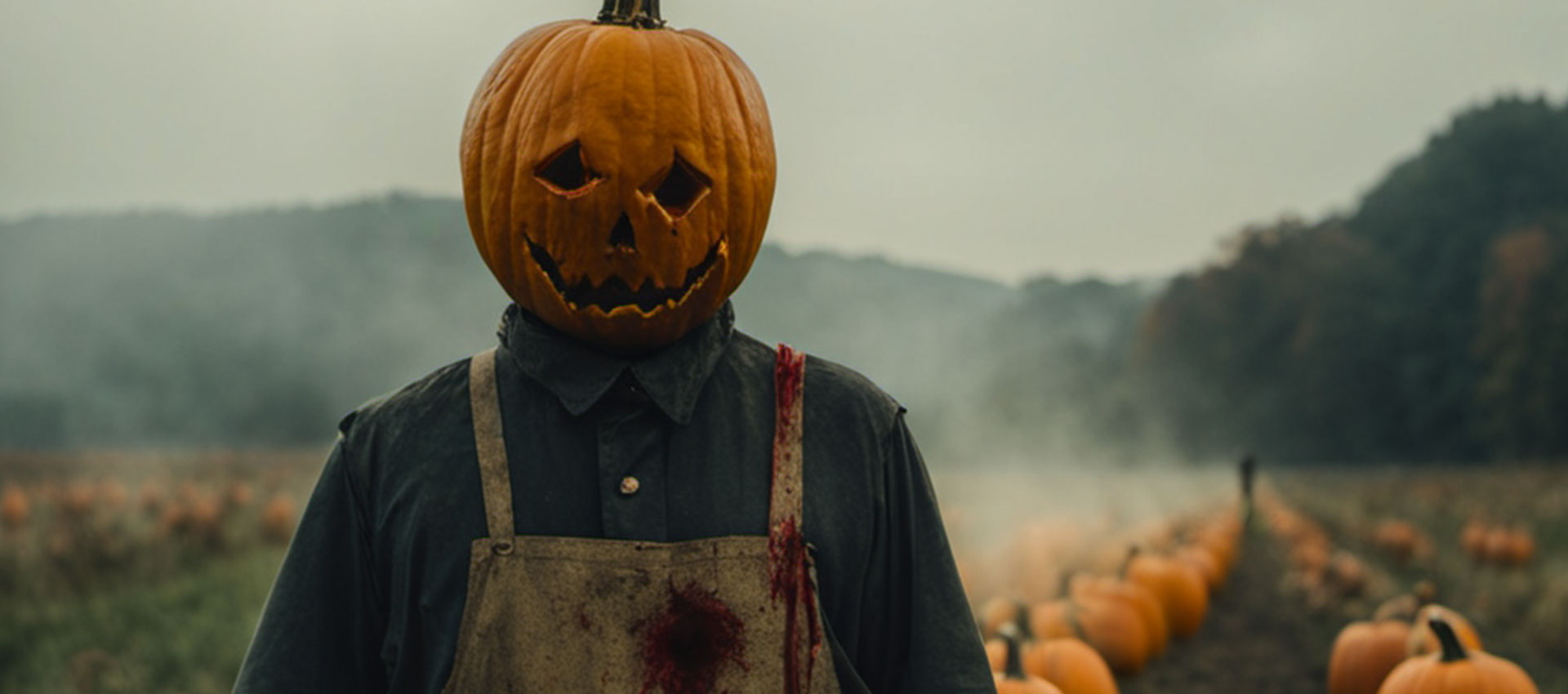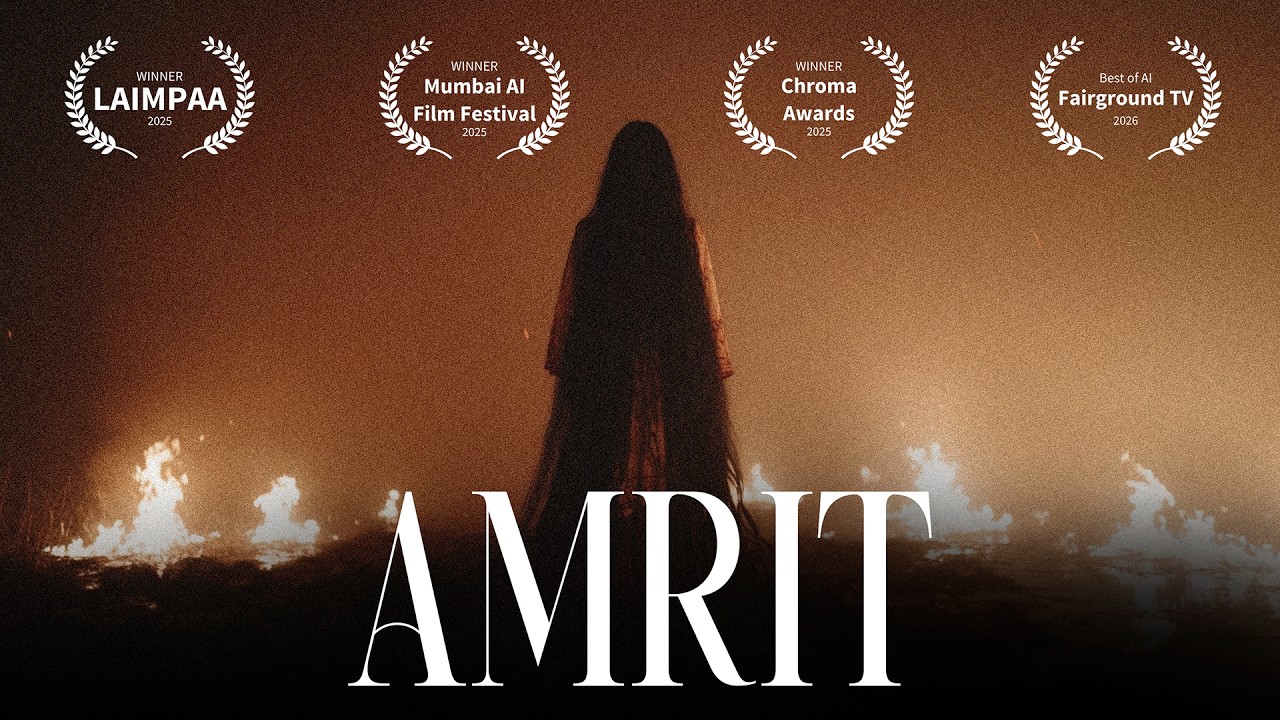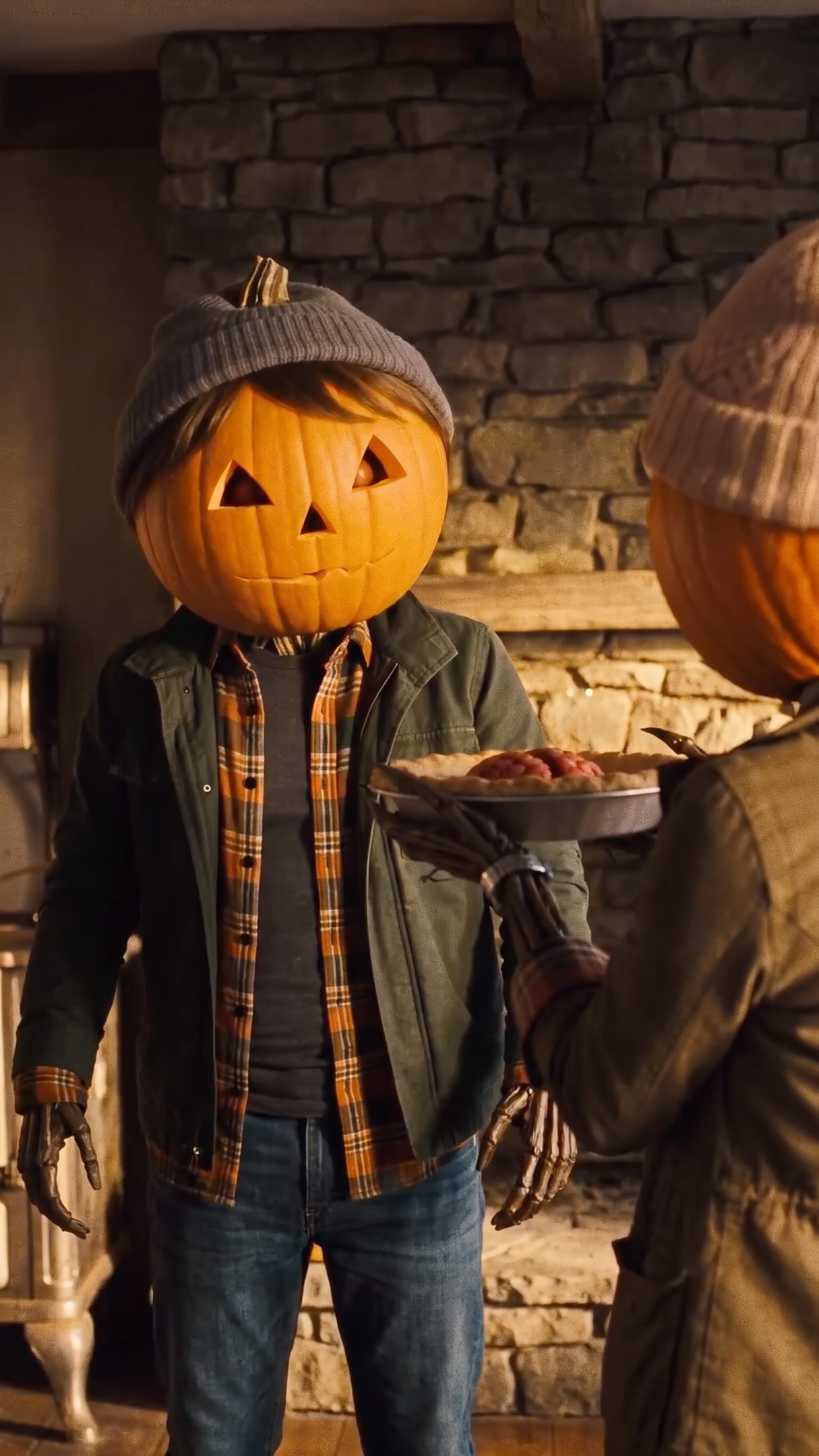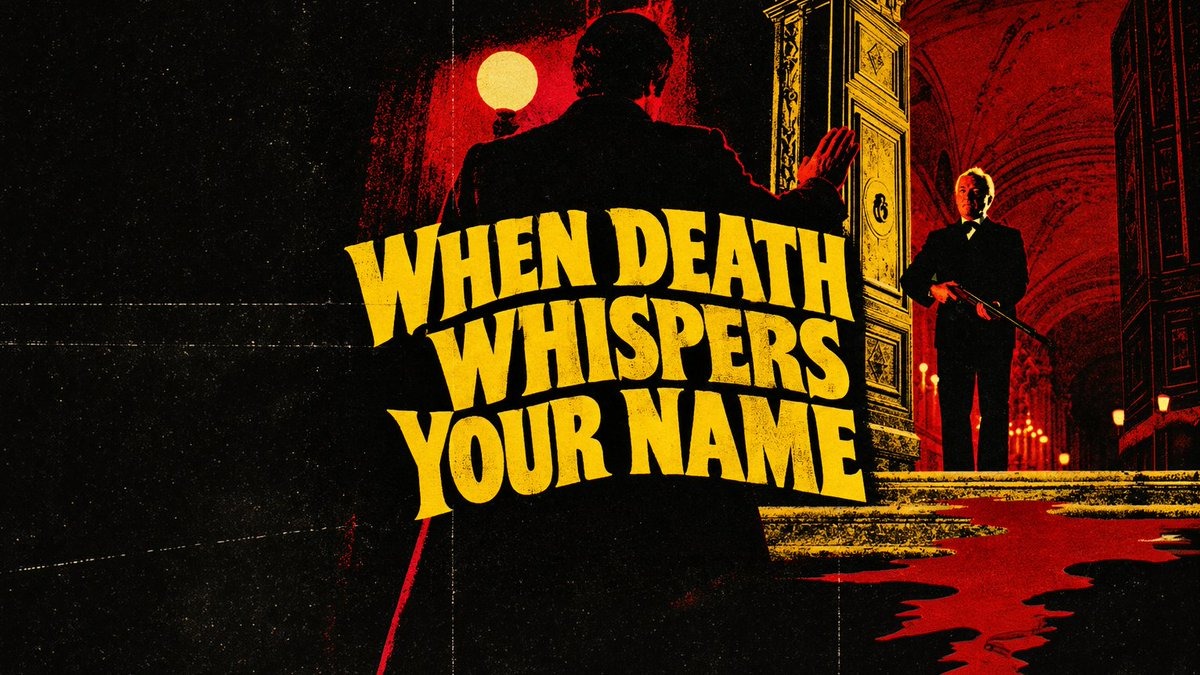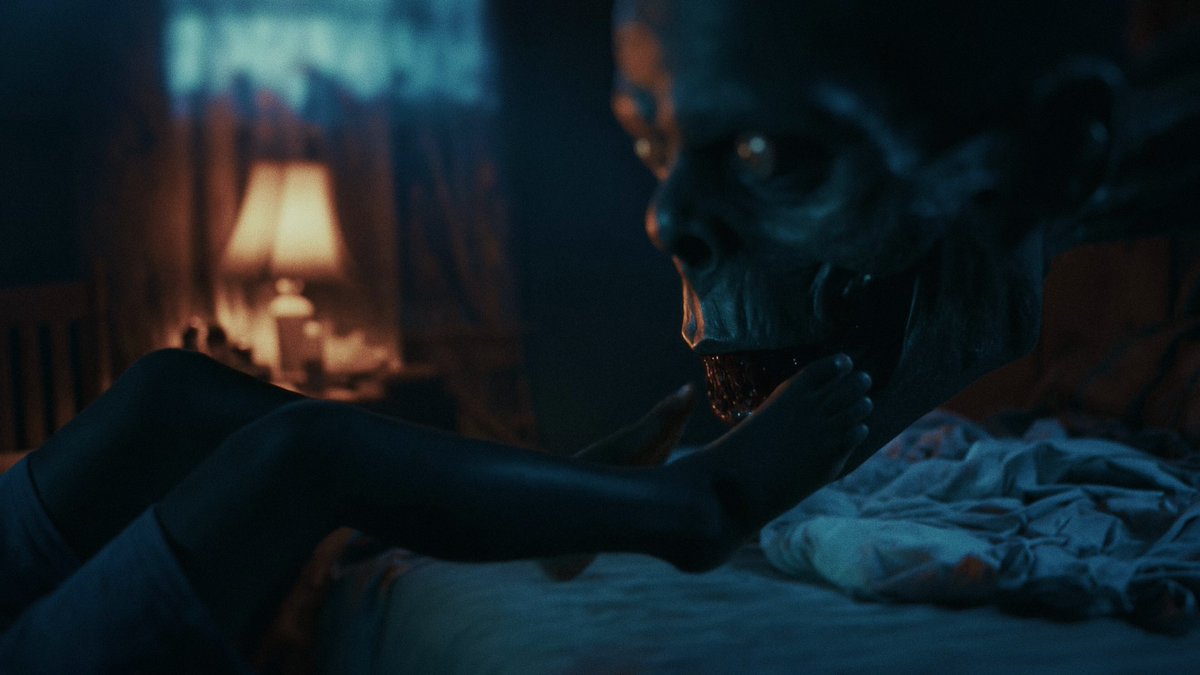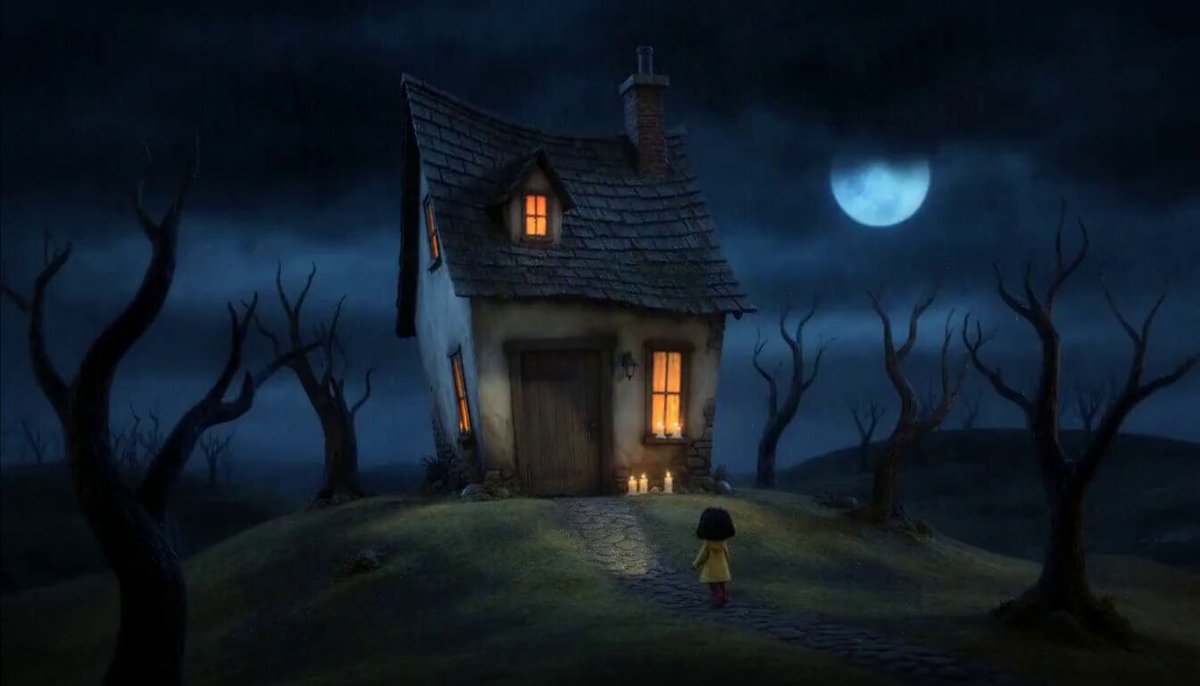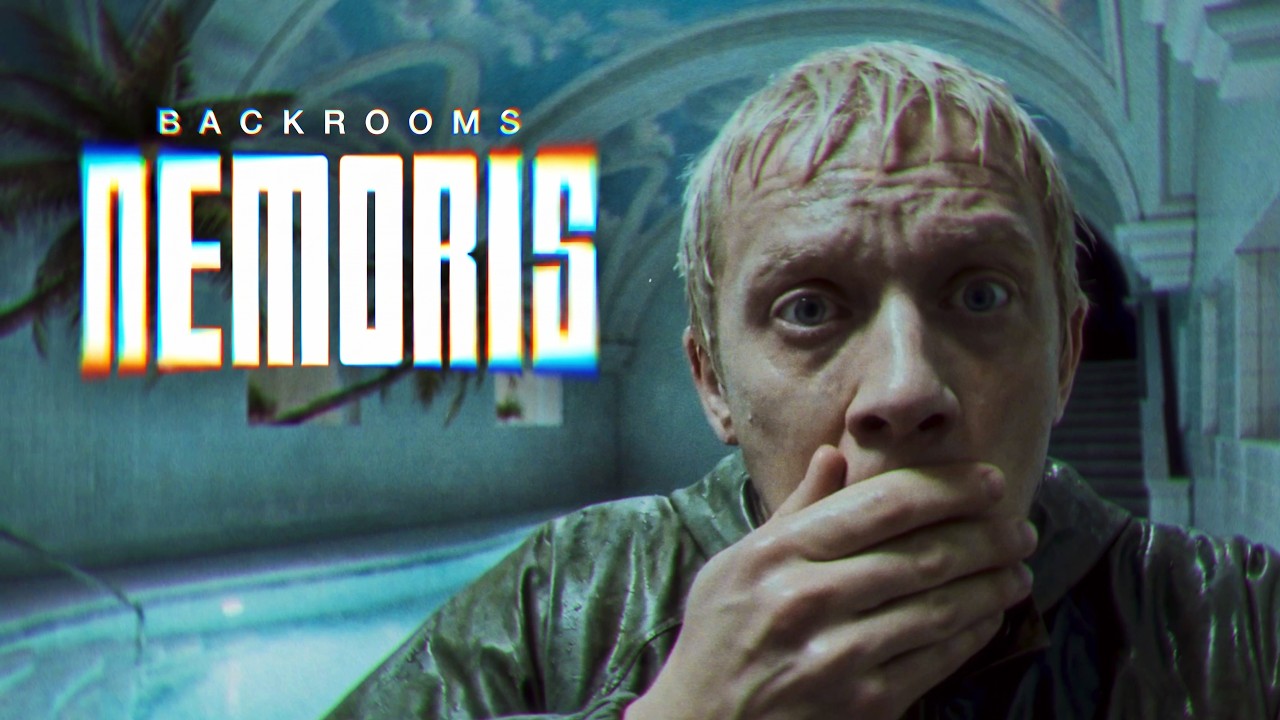
The released 17-minute 42-second pilot is Season 1, Episode 1. Lopez describes an intended ten-episode anthology in which viewers gradually assemble a larger mystery. The pilot is available now; the remaining season is a plan, not a completed release.
Why this film matters
Its production disclosure brings the relationship between sound and generated environments into focus. A space needs more than consistent surfaces to feel continuous: room tone, distance, echoes and the apparent position of a sound can help a viewer understand where they are, or deliberately make that understanding unstable.
Lopez describes designing these relationships in the edit, including individual sound placement, equalization and reverberation. The interesting craft question is how those decisions establish suspense across a sustained episode. These are reasons to explore the film and its making-of account, rather than a claim of a complete critical viewing.
Explore the process
The creator’s release and breakdown explain why generation totals alone tell an incomplete story. Months of work also went into selecting material, editing and constructing the soundtrack. His cost figure excludes labor and should not be treated as the full economic cost of the production.
The official YouTube description names Magnific as producer. Lopez reports a Toronto premiere; this does not by itself establish selection for the Toronto International Film Festival. Complete credits and the precise financial-support arrangement remain unresolved.
Building a mystery across episodes
In a September 21 explanation, Lopez says the strange details in the pilot have planned connections to later events. He describes an intention to let attentive viewers assemble answers rather than explain every mystery directly, while making clear that this depends on finishing the series.
This adds a useful story-design dimension to the technical breakdown: a recurring object or unexplained event needs to retain its intended meaning as later episodes are generated and edited. It is the creator’s stated plan, not evidence that those later episodes are complete or that every promised payoff succeeds.
Manual prompts, long takes and the cost of continuity
In his October 8 interview with Theoretically Media, Lopez says he used no agentic workflow for this pilot. From 10:17, he describes writing prompts himself in a repeatable order: setting and character placement, handheld-camera instruction, action, dialogue where needed, then a request for no music. A structured prompt is not the same thing as an automated filmmaking pipeline.
The important trade-off appears at 13:39: conventional coverage lets an editor select usable cuts from different generations, whereas his handheld approach needed a much longer continuous passage to work. His advice to avoid handheld is a lesson from this production, not a universal rule against that camera style. The distinction explains why a convincing short fragment may still be unusable in a sustained sequence.
At 11:29, he confirms DaVinci Resolve editing and describes combining generated audio, his own recordings and library material in layered sound design. He also says he graded the film himself and wants a team—including a sound designer and voice actors—for a future episode. Those are plans, not new pilot credits.
The interview is explicitly sponsored by Magnific. Its separate platform demonstrations do not establish that every advertised product was used on this film.