Watch nowAnimation

The Child of the Sea

by Ibai Abad

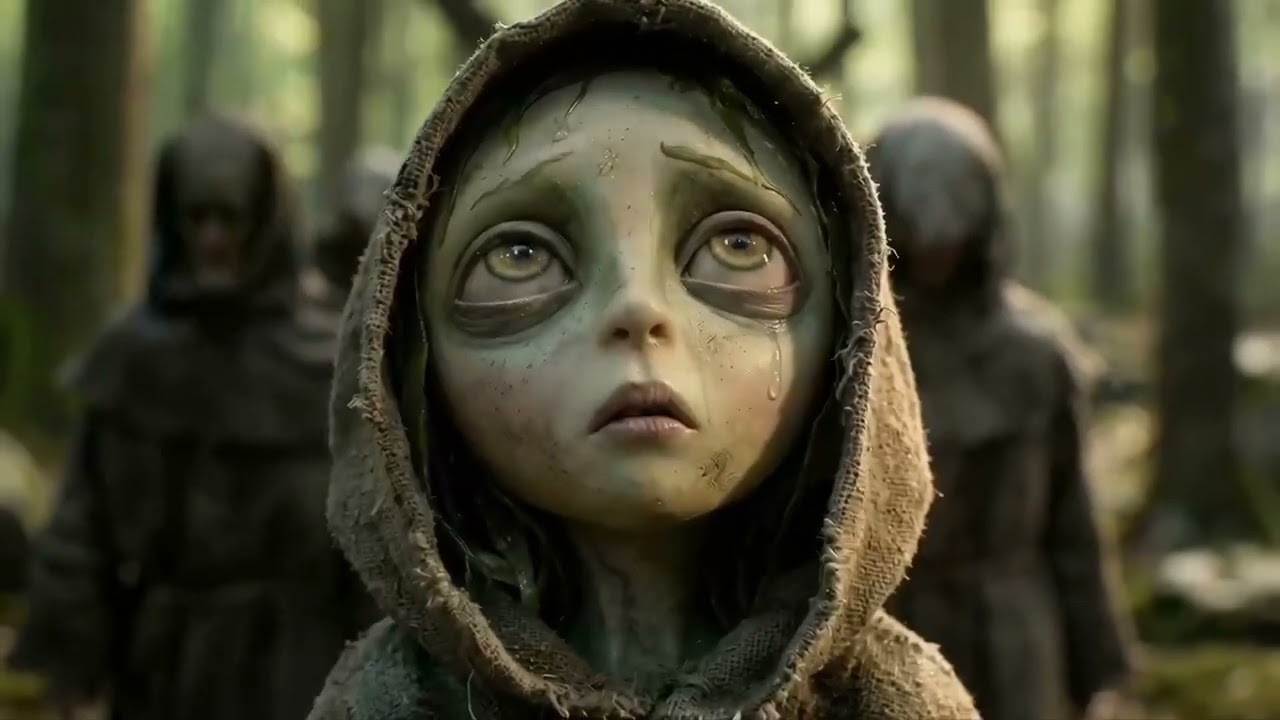
A fish-boy, captured and exhibited as a curiosity, crosses 17th-century Spain to return home in Ibai Abad's stop-motion-styled folk fable.

Format
Short film
Genre
Animated dark folk fable
Year
2026
Runtime
14 min
Added
2 Nov 2026

Why this film matters

The Child of the Sea attempts something an independent stop-motion team could rarely afford: a road movie through 17th-century Spain, from Cádiz to Madrid, across villages, processions, forests and rivers, all in a handcrafted, stop-motion-inspired look. The release says it is inspired by the legend of the Fish-Man of Liérganes and describes it as a dark fable about otherness, belonging and letting someone you love find where they can be free.

Reply gave it a special mention at its 2026 festival, citing its experimental use of AI. The filmmaking question it raises is whether a consistent handmade texture and a single sympathetic character can hold across thirteen minutes and many locations.

Production evidence

The bilingual release lists the core crew and the MotionField production credit. Reply names Magnific as part of the workflow; other tools, budget, schedule and team size are not disclosed. The film was uploaded September 8, 2026 and runs 13:40. The journal has checked the release description and festival sources; it has not watched the complete film.
Production notebook

What the makers have disclosed. Credits may be partial.

01

Credits

Written and directed by Ibai Abad; edited by Gerard Vila; art and animation supervision by Marco Ovejero; pipeline supervisor Juando Cortijos. A MotionField production.

YouTube source ↗
02

Tools

Reply's finalist announcement describes a hybrid workflow using Magnific, with human-guided editing and AI acting as a production assistant. The release itself refers only to a new generation of GenAI tools; no complete model list is given.

reply.com source ↗
03

Origin and approach (maker's account)

Abad says the short began with a group of friends experimenting with new tools, and that the stages were the same as any film: writing, designing, testing, discarding, directing, editing and refining. He frames the tools as a way to reach a scale—Cádiz to Madrid and the northern sea—he could not otherwise produce independently.

YouTube source ↗

Open at source ↗