Why this episode matters
The first episode adapts an incident from the Cypria, the lost prequel to the Iliad: Odysseus attempts to evade the war by feigning madness. The test of that deception makes family attachment collide with a public obligation. It supplies a complete dramatic situation, rather than a sequence of disconnected mythological images.
The October 23 original is publicly playable at 7:12. Its director is Dev Walker / GLUMLOT, working in a credited creative collaboration with Wonder Studios. Grok Imagine’s involvement is explicit: the publisher describes these short episodes as a way to obtain critical filmmaker feedback and improve its models. That commercial purpose is part of the production context, not evidence that the work lacks authorship or that its technical problems are solved.
What the production account makes useful
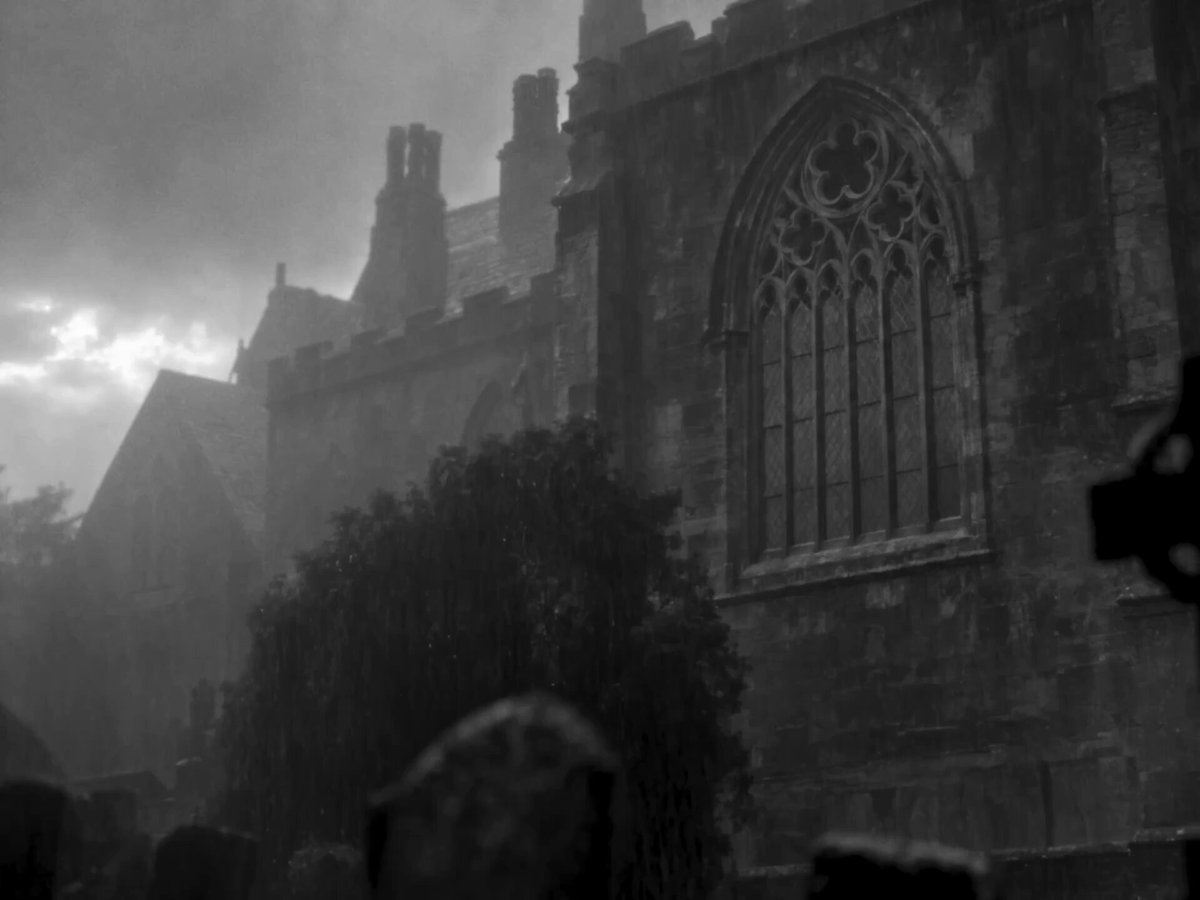
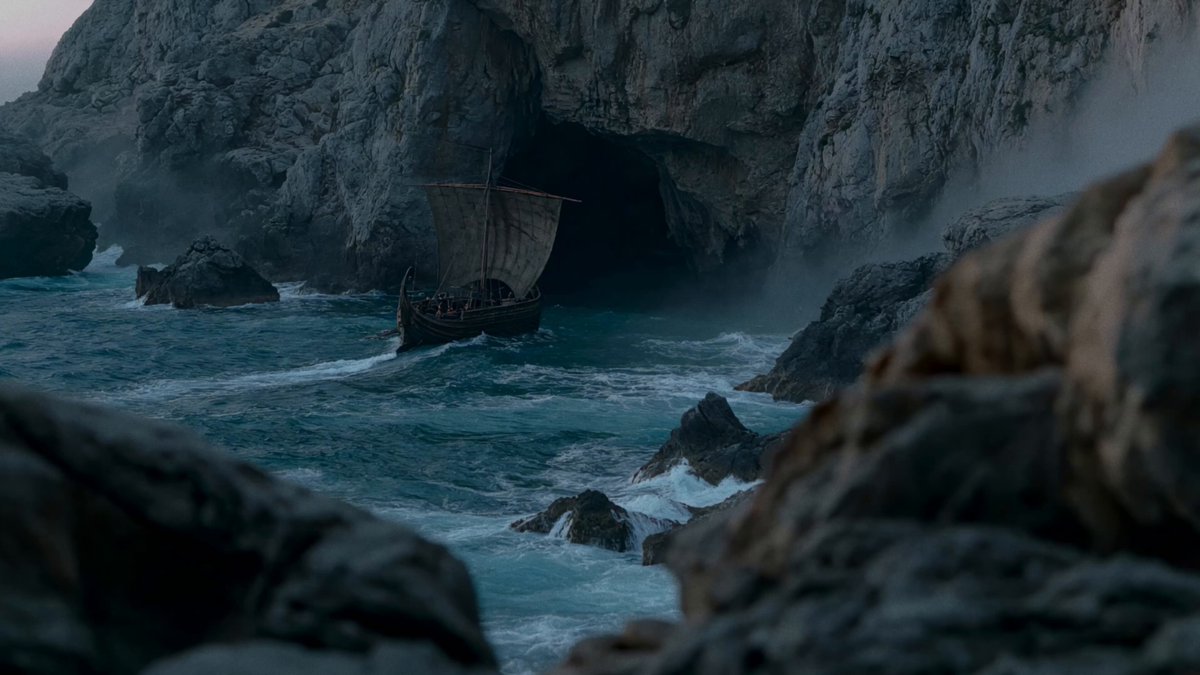
The October 27 article connects continuity to decisions made before animation. A front/back/close-up sheet establishes a character, a costume change gets another sheet, and still keyframes place that character into an approved location. A timed middle frame can then control when an entrance happens, instead of asking one prompt to discover the staging by itself. The five locations are the field, palace, shore, ship and camp outside Troy.
The reported 18 hours cover editing, sound and color. The 3–5 creatives statement describes the wider episode initiative. Neither establishes a solo production, a total budget or a full named crew. Most effects are attributed to Grok Imagine; added music is acknowledged without a named source. No unsupported rights or commercial-licensing claim is made.
This is distinct from Ash Koosha’s Odysseus: The Fall and PJ Ace’s separate Odyssey experiment. Their tools, credits and budgets do not transfer. Original episode, current playback, sampled imagery, studio acknowledgement and the complete production article were checked; no full critical viewing is claimed.