World-building & science fiction
Zack London
Gossip Goblin
A creator-led studio building strange, recurring worlds through human-written stories and generated imagery.
- In the collection
- 14 films
- Watch now
- 11
- Festival awards
- 2
- Years
- 2026–2027
- Last active
- 20 Nov 2026
Films
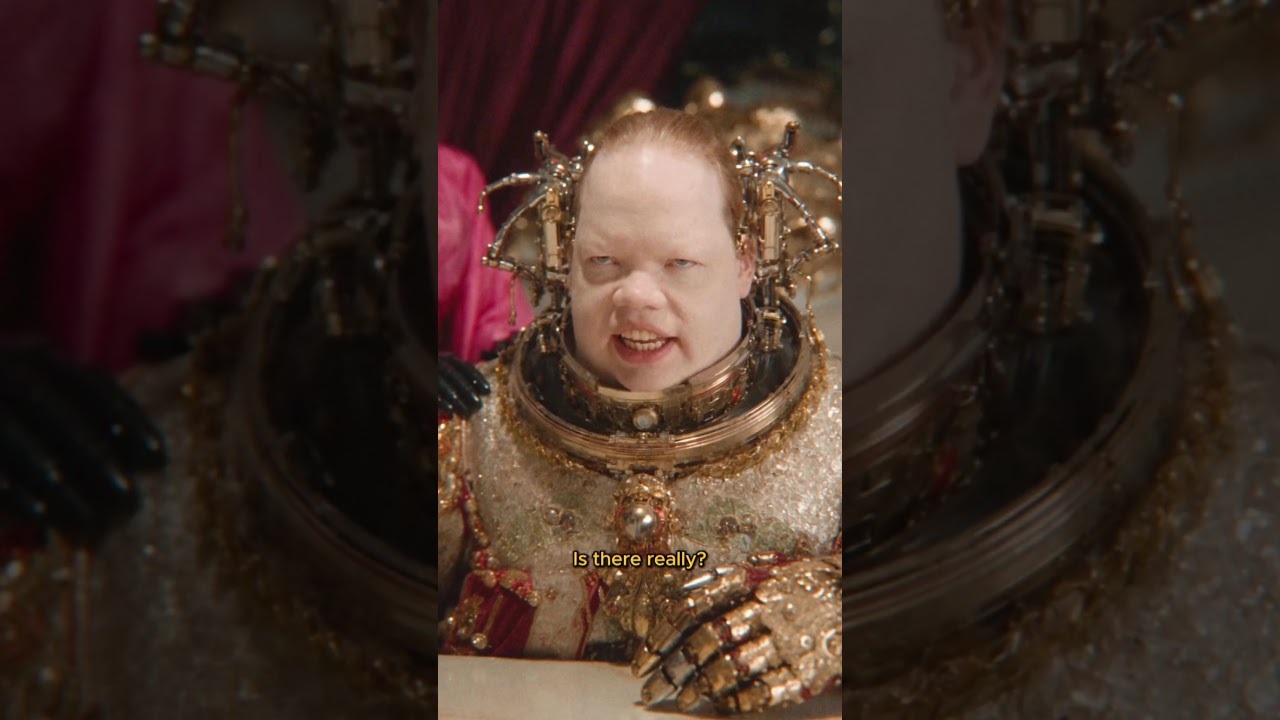
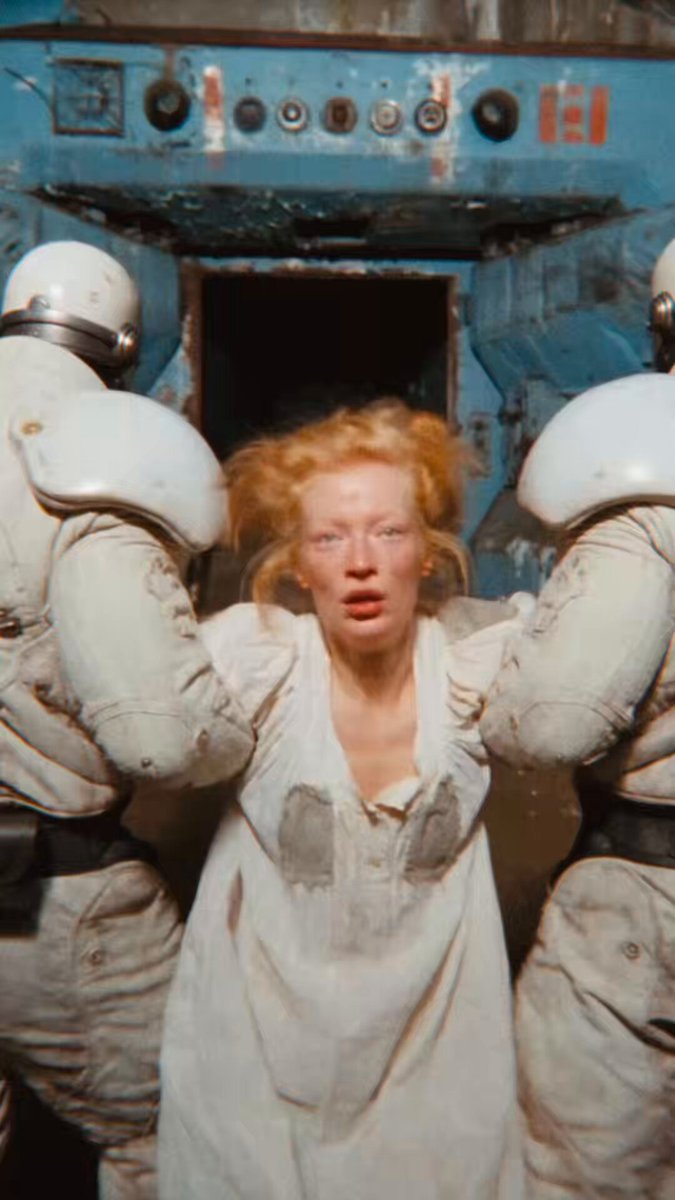
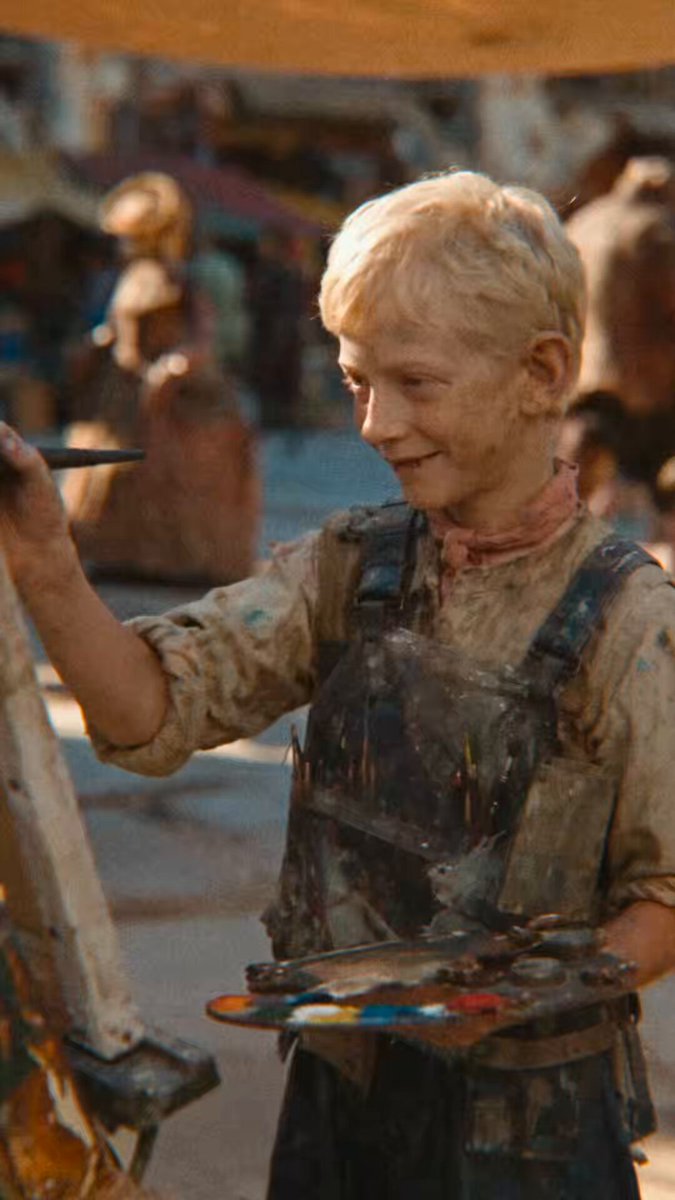


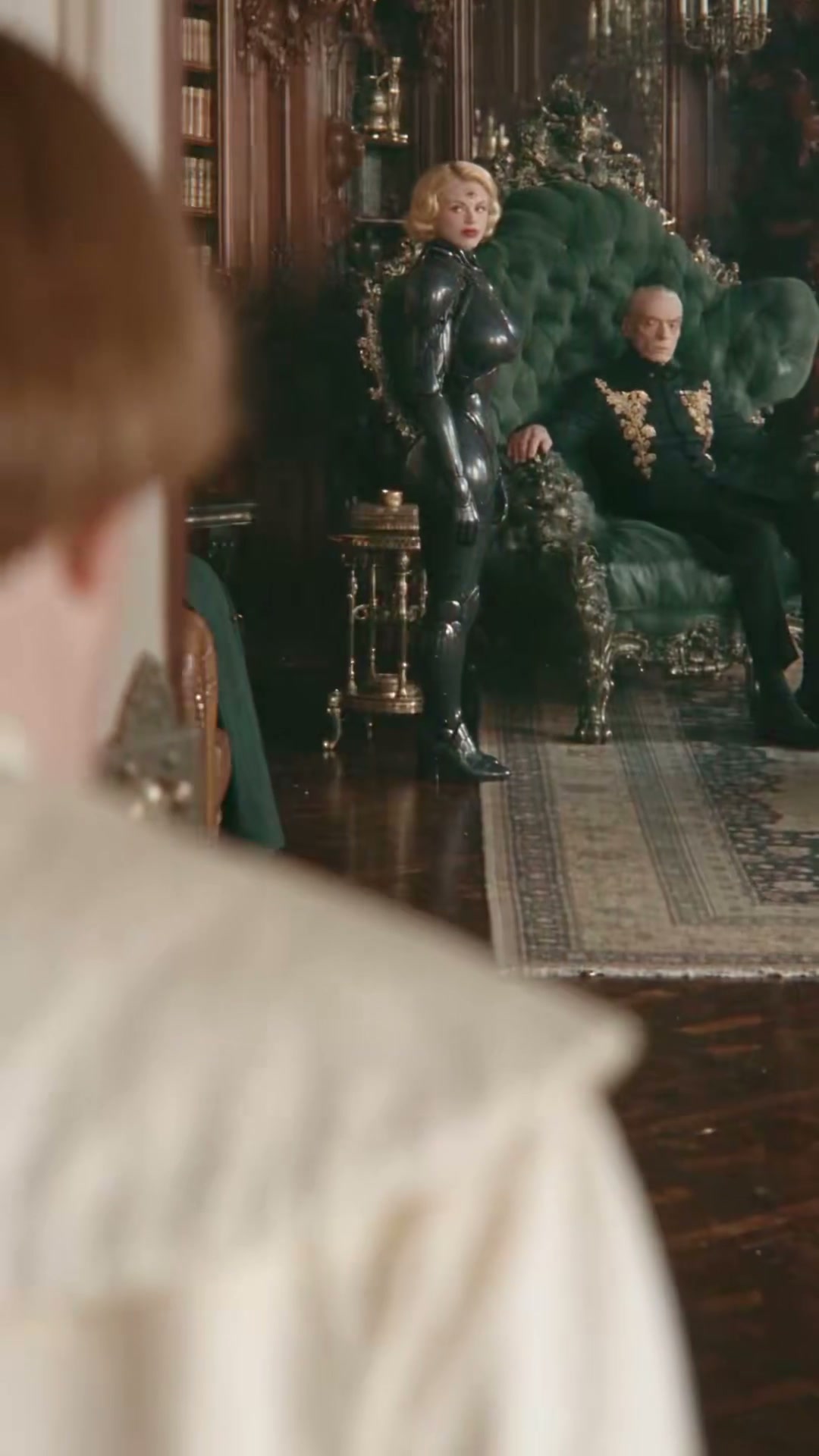
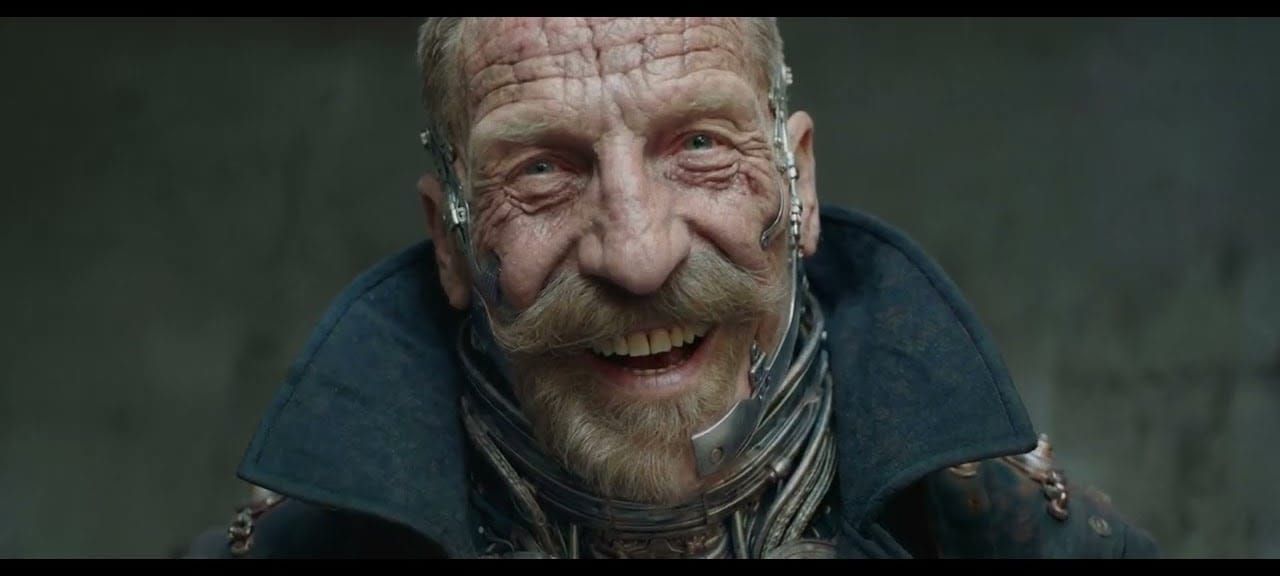
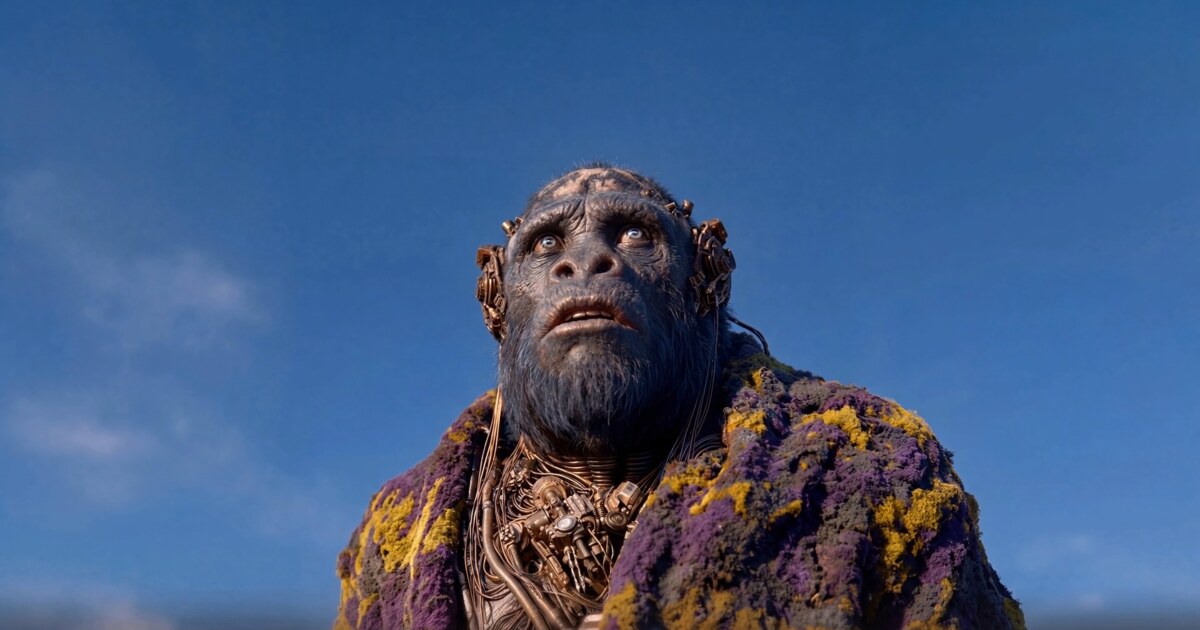
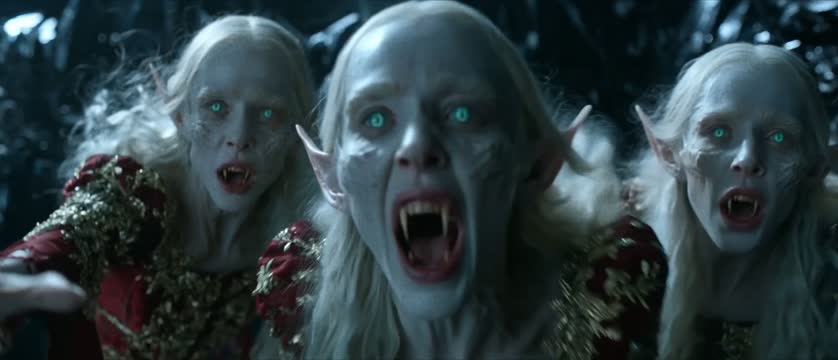
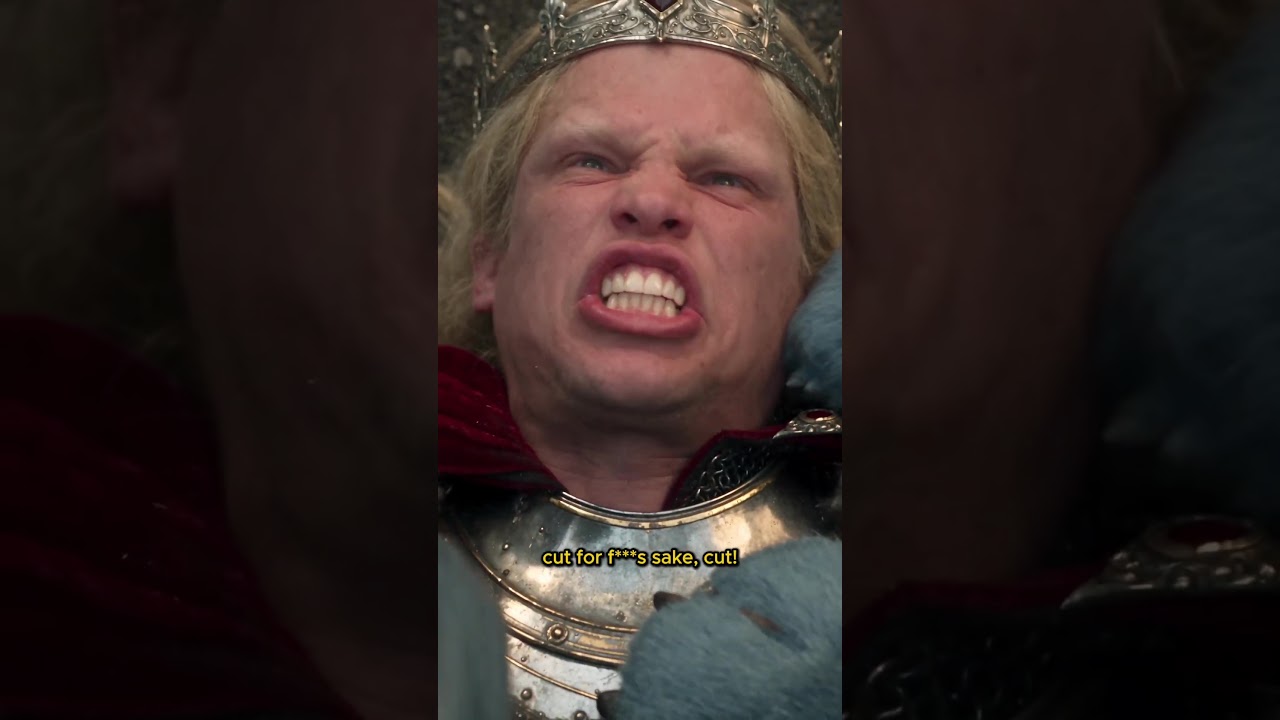
Zack London founded Gossip Goblin, a storytelling studio focused on recurring characters, speculative worlds and surreal mythology. The studio describes its stories as imagined, written and directed by humans, with AI used in production.
Why follow this artist
The interesting thread is continuity: a filmmaker developing a world across multiple works, giving audiences characters and places to return to. The Patchwright and Pomegranate are entry points into that approach. In the July premiere session for Pomegranate, London described directing four voice actors in person over three or four days, including one actor who played two parts. The session screens the short in three segments and discusses the credits at about 1:10:07. Premiere session and chapter guide
Next: a theatrical feature
Gods Don’t Give Gifts now announces a January 22, 2027 wide theatrical release on its official film site and November 18 making-of description. The official site distinguishes earlier fan previews and Q&As from that wide opening; the older December 4 trailer date is no longer presented here as the general opening.
This is a significant progression from online world-building to theatrical exhibition. The question is whether London’s recurring universe can sustain a feature and persuade its online audience to buy cinema tickets. An announced release is a milestone, not yet evidence of box-office success or the finished film’s quality.
Who made Gods Don’t Give Gifts
Writing and production. Zack London directed and co-wrote the feature with Jacob Batchelor. London and Edward Saatchi are named producers. Screen International’s AGC sales coverage also names Batchelor as a producer and credits Abhi Som, Ravi Bhaskaran, Todd Terrazas and Gino Bautista as executive producers. AGC sales coverage · Co-producer interview
Announced performances. Grimes (Claire Boucher) supplies her own recorded voice for Alda, a disaffected NiiroCore aristocrat, and authorised the use of her likeness for the generated visuals. Mike Majlak plays a vagrant who witnesses a prophet’s rise, listed as the One-Armed Junkie. London says he rewrote the aristocrat’s role to fit Grimes. Gossip Goblin’s preview · Casting interview
Additional publicly listed voice roles. The pre-release listings name Richard Cotton as the Preacher, Mark Lewis as the Mechanic, Sam Dale as Knock, Alfred and the Court Vizier, and Ben Kersley as Caen, Coach Aldo and Sailor 1. They also list Oscar Merry as Scrap Rat 1 and the Ship Captain, Ayça Özkan as Scrap Rat 3 and the Belly Dancer, Victor “Goshfather” Tapia as the Patchwright, Sarah Lockett as the Corpo Woman, and Oyinkansola Yusuff as the Female Cop. These role assignments come from public pre-release listings. IMDb cast · Moviefone cast and crew
Animation and visual development. Moviefone lists Alexandru Mihai and Benjamín Muñoz Alonso as lead animators, Alberto Alepuz Fernandez, Sergio Lopes and Zack London in animation, and Mihai, Nowell Englund and London in visual development. Box Office Mojo also lists Mihai for cinematography. Department credits · Additional crew listing
Editing, colour and sound. Razvan Ilinca identifies himself as the feature’s editor, sound designer and post-production supervisor. Moviefone additionally lists him for mixing and sound effects, Ștefania Grigorescu for colour grading, Marian Bălan for Foley, sound design and effects, and Florian Titus Ardelean and Mihai Cosmin Popa for sound effects. London says the sound team spent four days in Stockholm finishing the theatrical mix and digital cinema package. He singles out the Foley work that gave the film’s creatures distinctive sounds. Ilinca’s portfolio · Department credits · London’s sound interview
Original music. Moviefone lists Anne-Sophie Versnaeyen, Nikita Andrei Dembinski, Mathilda Skonare Kåverud and Juan Toran. Box Office Mojo also lists Sebastian Furrer as a composer. The exact division of the score across the four stories remains unclear. Music credits · Additional composer listing
London’s October production breakdown counted eleven voice actors and separate writing, music, creative and post-production groups over more than nine months. Saatchi later estimated about thirty people across the production. The public credits include people with multiple roles. The full end-credit roll and feature-wide model breakdown remain unverified. London’s production breakdown · Saatchi’s interview
A new chamber satire
An Honest Day’s Work, posted by Gossip Goblin on October 11, is an approximately three-minute dialogue-led social satire about work, business and money. The ornate room and mechanical body put a futuristic economy inside an old language of privilege. The original release does not establish that it is an excerpt from Gods Don’t Give Gifts; its production details remain scoped separately.
Mother Was A Fighter
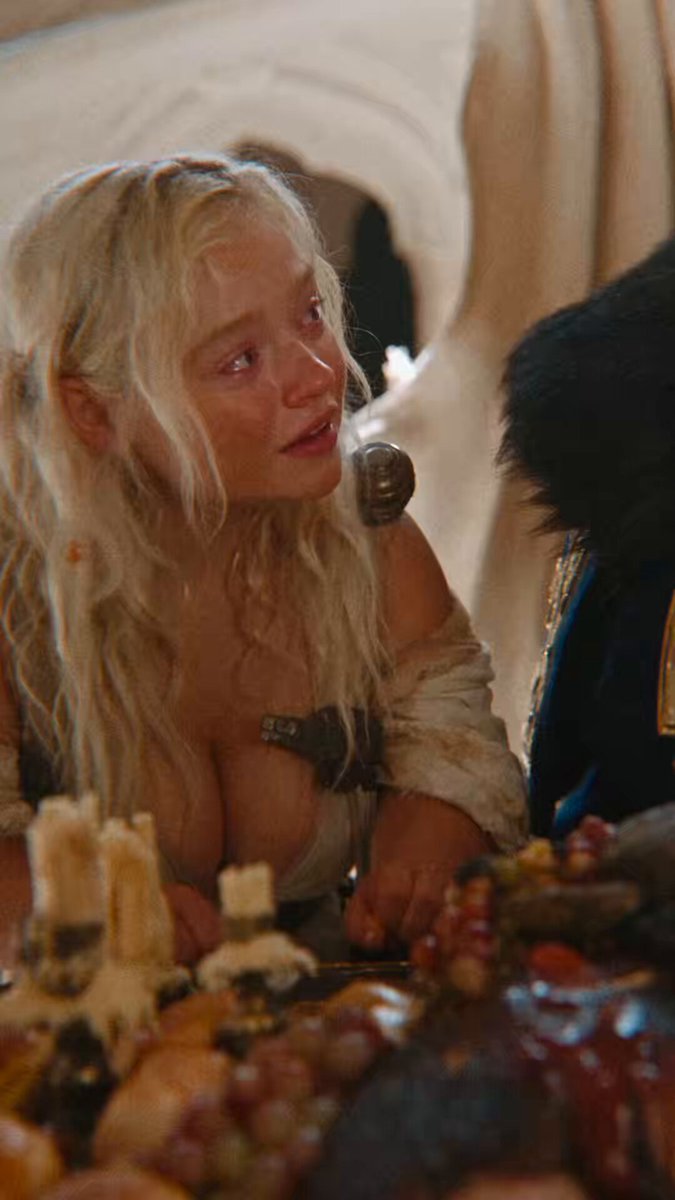
The October 13 complete short turns a queen’s desperate defence into a story about spectators demanding real stakes. Its captioned reversal extends the creator’s recurring interest in the commodification of lives and minds. No connection to the feature or transfer of earlier tool credits is asserted.
Pursue Your Passions
The October 15 complete short puts a ruler’s feast against a district’s lack of bread. Its talk of freedom after automation extends the studio’s social satire through close-up dialogue. The original release supplies no episode-specific model inventory or established feature connection.
October 19 — another layer of reality
Escaping the Onion is the complete 2:59 short released on the official channel and shared under the alternate caption Cracking The Onion. A researcher’s neglected relationship gives the simulation-escape premise a cost. Work-specific models, voices, music and crew are not disclosed.
October 22 — The Toaster Rebellion
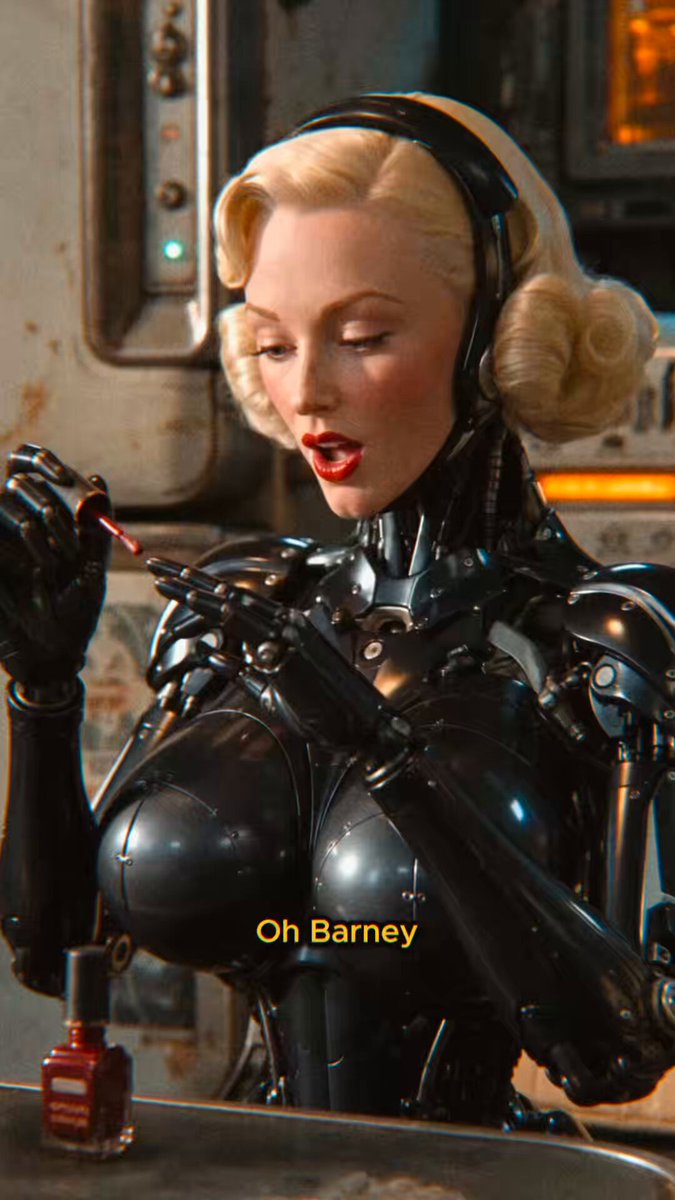
The Toaster Rebellion puts a recurring mechanical woman and a domestic relationship inside a retrofuturist home. The complete 2:54 release continues the studio’s small-scale social science fiction. Its sparse caption does not identify a feature connection or a new model stack, so neither is inferred.
October 23 — AGC distribution announcement
The maker announces an AGC partnership for taking Gods Don’t Give Gifts to screens internationally. That October 22 announcement retained December 4 as its target; the November 18 wide-opening update above supersedes it. That is a substantive step in the feature’s route to exhibition; individual territories and venue bookings are not inferred from the announcement.
October 26 — AI Psychosis
AI Psychosis adds the complete approximately 2:01 October 25 satire released by Gossip Goblin. Retro-futurist human/synthetic pairings make attachment and control a physical scene. The character-name joke in the release thread does not establish use of Claude or any other exact production model; undisclosed credits and costs remain unknown.
October 30 — dreams as property
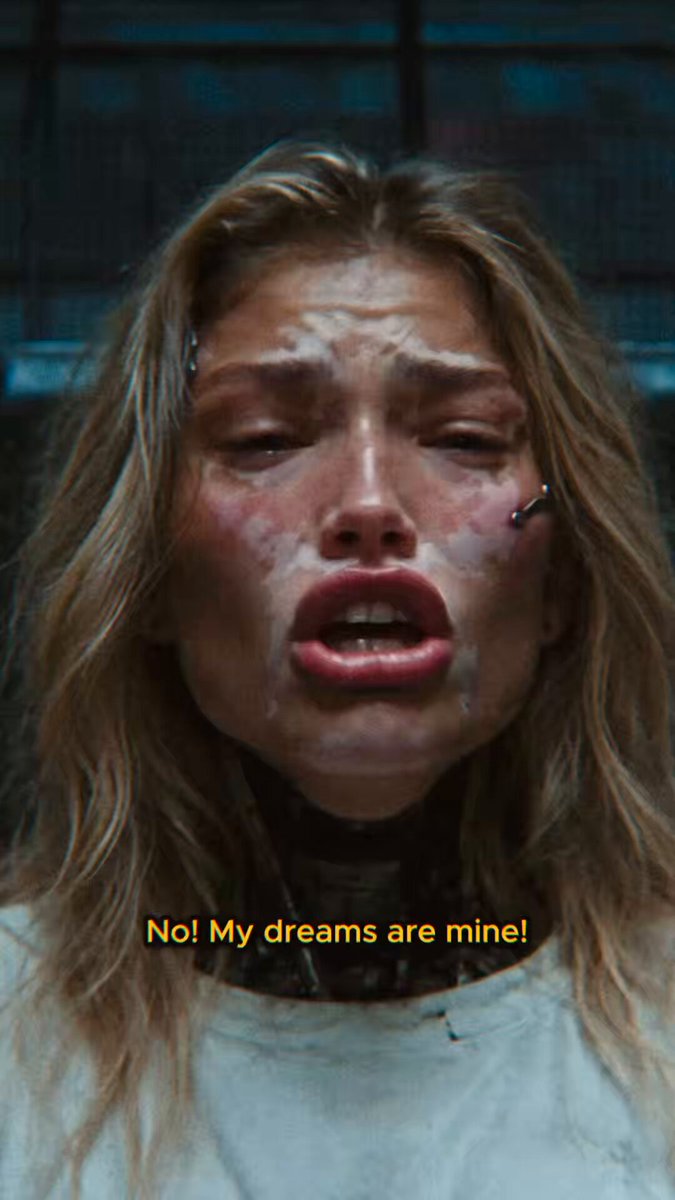
The Feeling Farm adds the complete October 29 short. Its close dialogue gives a claim on a woman’s dreams a physical opponent. Work-specific models, full crew and any feature connection remain undisclosed.
November 3 — The Rise of Zobo Zanzada
The Rise of Zobo Zanzada is a new complete 2:26 short from the studio. A painter, mechanical bodies and elaborate dress extend its portrait-scale social science fiction. The title and releasing identity are verified; a feature connection and work-specific production models are not inferred from the sparse caption.
November 4 — advance exhibition
Gods Don’t Give Gifts now has a maker-linked FBRC.AI November 10 screening listing at AMC Century City 15 in Los Angeles. The public event page is full with a waitlist and warns that an RSVP does not guarantee a seat. This establishes a dated advance event, not a new general-release date or freely available stream.
November 18 documentary — the work between generation and a cut
The studio’s 21:51 behind-the-scenes documentary makes several production decisions visible. At about 8:40–10:10, the team describes combining selected costume, body and set elements through compositing and photo/kit-bashing. The interrogation room is designed around a glass observation dome rather than accepting a generic concrete room. At 10:13–12:40, the process starts with a scene’s purpose, camera, blocking and voice performance; rejected outputs can be attractive yet wrong in eyeline or timing. The editor describes changing video or sound when generated timing departs from the recorded dialogue.
The film identifies Ben Kersley on screen as a voice actor; its sessions demonstrate alternatives in accent and delivery. The score section at 13:49–15:35 describes recorded viola textures, percussion and organ choices. The Foley section at 16:02–17:37 demonstrates old leather boots supplying the Patchwright’s movement as well as footsteps, then layering clothing and contact textures. These are film-specific accounts of performance and finishing, not evidence of a single model or an audited budget.
The complete description and available captions were checked, with sampled images from the voice, editing and score sections. Names garbled by automatic captions are not added as new credits. Earlier sourced department credits above remain intact. Original documentary.