

A battle becomes a service complaint
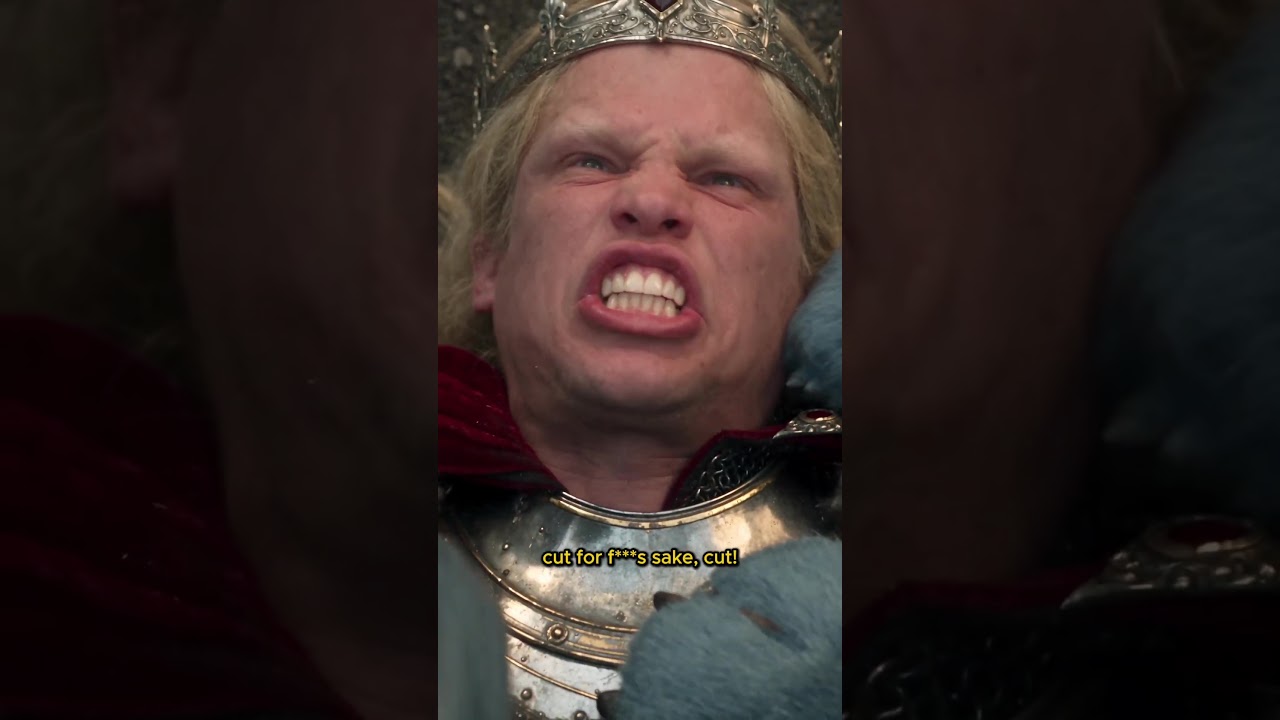
Gossip Goblin’s Furry Virus starts with a king, a siege and a promise of heroic resistance. Around 1:39, a demand to cut interrupts the fantasy. The encounter becomes a complaint about a paid simulation, and a final request for a different transformation gives the short its closing turn.
The delayed change of context makes the earlier spectacle part of the joke. This is the complete 2:56 November 17 release; its YouTube title differs slightly from the social wording The Fur Virus. The expanded official description names no individual cast, voice performers or generation models. Those unknowns do not undo the identifiable studio authorship or completed story.
An encounter built around restraint
Midnight Snack works at a different scale. Nathaniel Chan’s 1:06 short makes respecting a request for silence its dramatic choice. The close faces, grain and opposing red and blue-green light give the encounter intimacy rather than geographical spectacle.
Chan’s portfolio supplies a sustained collection of short films and a stated interest in psychology and small physical gestures. His separately announced 100-minute Midnight Snack series remains in development. Kyoso’s showcase names Chan’s direction, writing, generation and editing, alongside its executive producers, composer/sound designer and production company; those credits belong to that separate collaboration, not automatically to Midnight Snack.
Two continuing guides
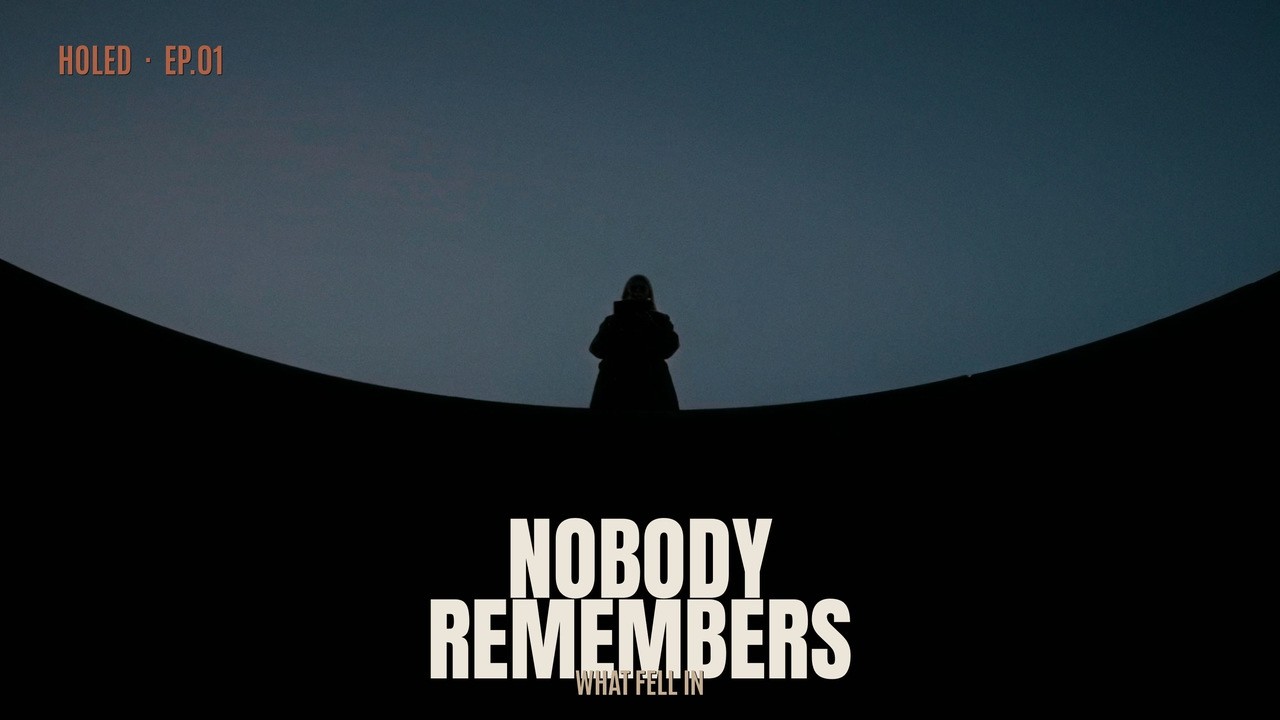
The HOLED guide adds Episode 6: The Last Good Copy, uploaded November 16, with its creator-listed 9:32 runtime and explicit disclosure of AI-generated visuals and voices. Lena Voss’s promised zero-death outcome comes at a cost, while a living counter-record keeps another version of events alive.
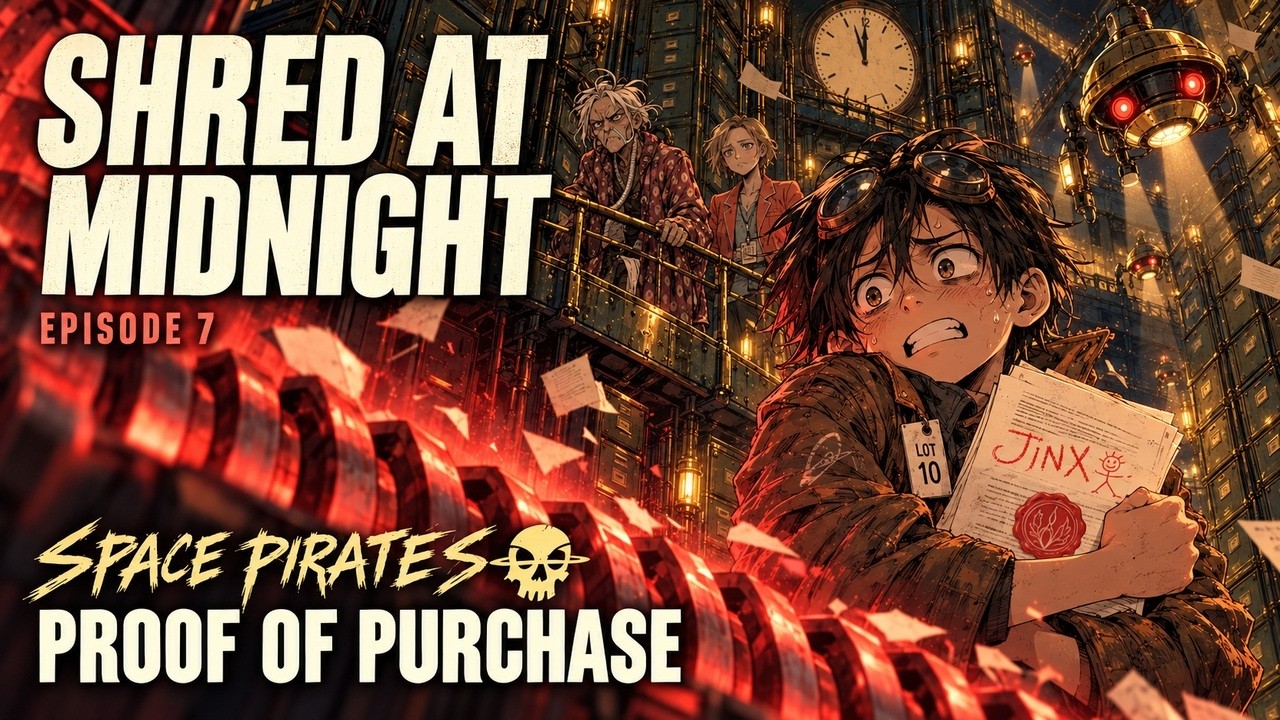
Space Pirates adds Episode 8: Family Sharing, uploaded November 3, with a 5:40 runtime. A supposedly free call home charges Jinx’s memories of his mother. His pirate family’s attempt to register as a household turns a subscription mechanism into a question about kinship.
Both full original descriptions and current players were checked. Their numbered guides preserve the original starting links. Promotional YouTube headlines differ from the episode titles inside the descriptions; these are single releases, not additional episodes. Exact generation models and individual voice credits remain undisclosed for these installments.
Christmas arrives as a transaction
In Emballé, c’est pesé, ClaudiaGI performs among prematurely festive retail displays. Price and delivery graphics make Christmas consumption part of the staging rather than a neutral backdrop. The November 16 release is another recurring-character music video, with its own sustained retail-satire concept.
Extraltodeus’s description names Claude Fable 5.2 for lyrics, Claude Opus 5.5 for coordination, Suno V6-Mini for music and RIFE Heavy 26 for interpolation to 60 fps. These are the creator’s exact disclosed labels. The creator says one person generated the video locally on a gaming PC, with under €2 in electricity; that is an electricity claim, not a complete production budget. A linked public clip-feedback tool collects time-stamped comments for an AI assistant, showing a practical part of the iteration process.
An earlier music-video experiment
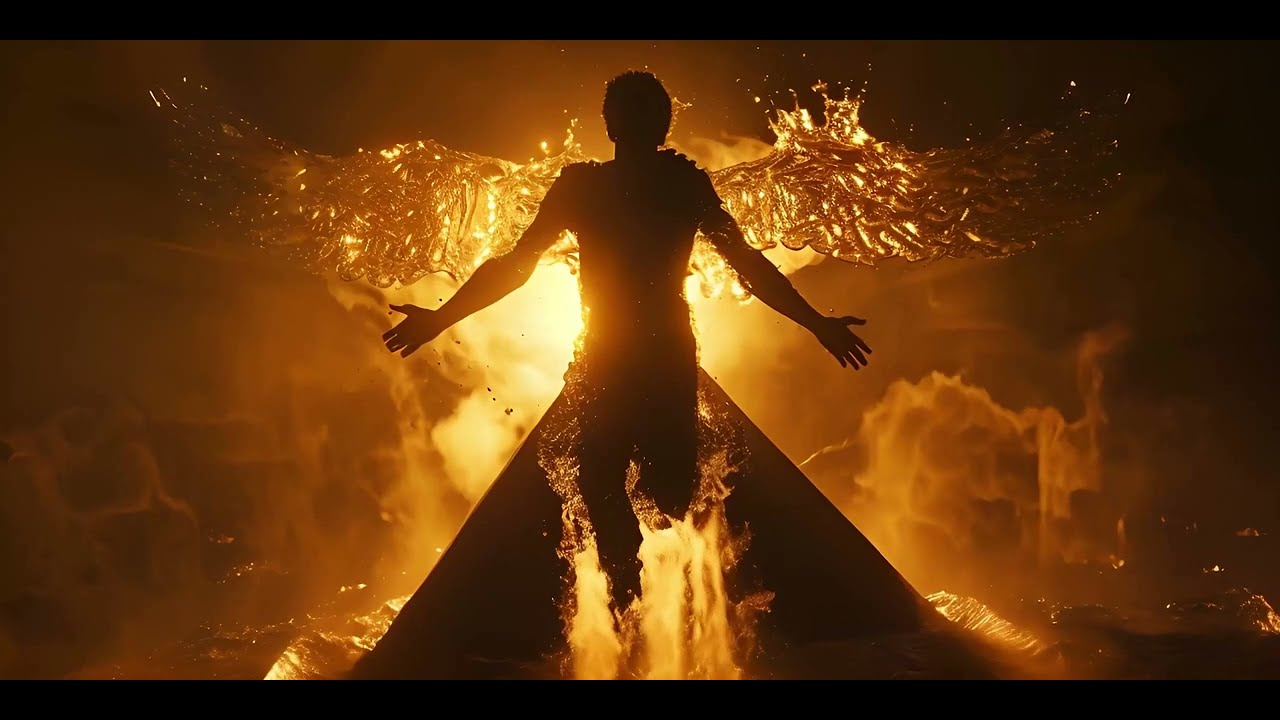
Christopher Fryant’s Icarus is an older discovery: the full original was released May 31, 2024, not this month. A recurring solitary figure, luminous landscapes and fire sustain its visual concept across the song. The roughly 3:40 cut is credited to Fryant with RunwayML; the original description names Wave System’s How Do You Feel?, licensed through Musicbed. Its music credit is preserved separately from its image-generation disclosure.