Art direction & animated emotion
Henry Daubrez
An art director whose films connect nostalgic animation with explicit production experiments.
- In the collection
- 3 films
- Watch now
- 3
- Years
- 2025–2026
- Last active
- 23 Nov 2026
Films
Why follow this artist
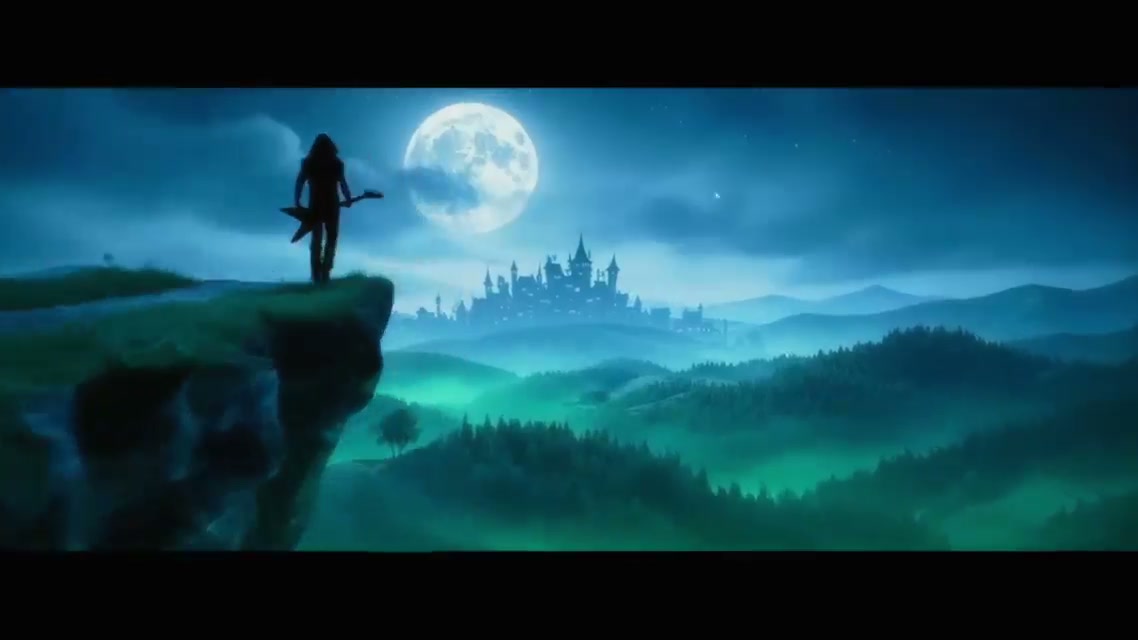
KITSUNE and BANISHED offer two different emotional registers: tenderness and vengeance. The continuity between them is deliberate art direction.
Daubrez also publishes unusually useful process details. His disclosures show the work of writing, selecting, editing and designing sound around generated footage. That helps explain where judgment enters the process, beyond a list of products.
JUNKYARD KING — Chapter 3 release
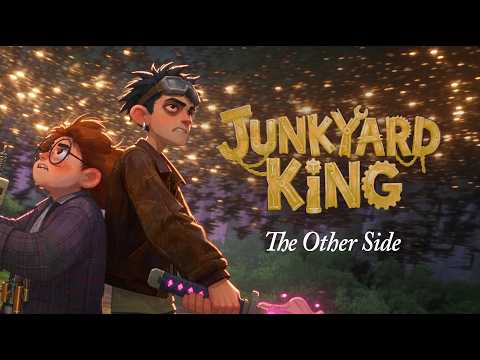
On October 6, Daubrez announced Chapter 3 for Wednesday, October 7 at noon ET and described its accompanying images as screengrabs from the finished film. Asked about the team on this chapter, he said it was mostly his own work with help from one person. That is an episode-specific account, not a verified total credit roll or a claim about the whole series.
Chapter 3: The Other Side was released on October 7. The creator-linked 4K YouTube episode is now playable, with the original series description and chapter-specific support disclosure. The film record distinguishes named collaboration from exact roles, and production support from a verified model inventory.
Generating compositions for posters
In his October 9 process note, Daubrez names Seedance 2.5 as a tool for poster exploration: provide characters and environment, request varied cinematic compositions, then scrub the generated video and extract a selected frame. This is his disclosed approach to promotional images, not a film-wide model credit or a guarantee of consistency.
A tool for planning shots before generation
In an October 10 statement, Daubrez says he worked on a tool to automate part of his storyboarding process. His October 11 demonstration and direct technical reply make that account more concrete: he uses Claude Code and Opus to build a previsualisation tool running on Three.js, creates scenes individually, and renders them into storyboard frames. The demonstration post names Opus 5.5.
The useful distinction is between designing the relationships among shots and asking a video model to invent them. Daubrez describes retaining that scene-planning step in a tool he is building. Consistent shot logic is his stated aim, not an independently measured result. The posts do not establish which released episode used the tool, the model used to turn a blockout into finished imagery, or any measured time or cost saving. These are development disclosures, not retrospective film-wide credits.
A world beyond its episodes
Daubrez announced JUNKYARD KING Arena on October 12. The live browser game links the existing third chapter and presents Artie, Kai and Socket. His announcement credits Claude Opus 5.5 and invideo MCP for building it. This is a separate game-production disclosure, not a new film or a revised tool inventory for the episodes.
October 27 — the continuity problem inside a shop
Daubrez reports work on JUNKYARD KING Episode 4, describing confined shop interiors as difficult because generated details drift. His reply says previs locking still regularly fails; another reply mentions comparisons with and without previs and drone coverage. These are practical tests, not a claim that a continuity method has been solved.
The episode remains in production, with dialogue, lore and action described as plans. No completed Episode 4, release date or exact model is inferred from the preview. The existing Chapter 3 entry retains its release and watch information.