Why this film matters
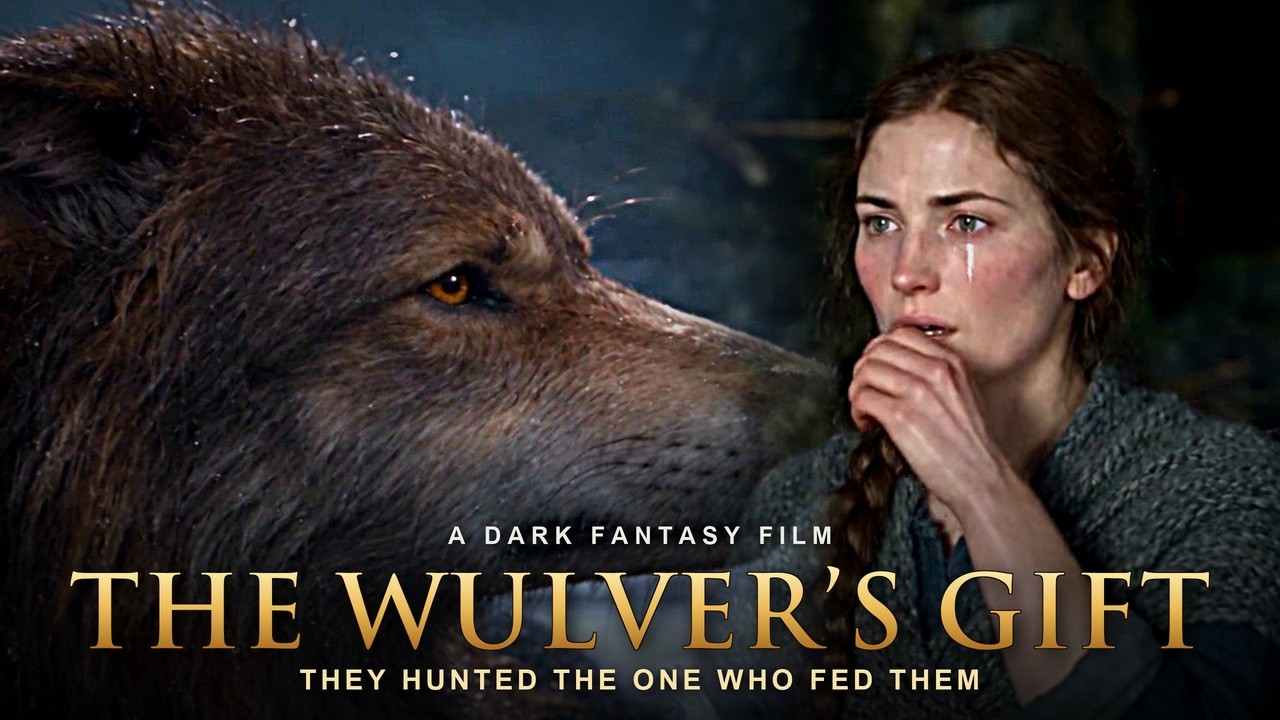
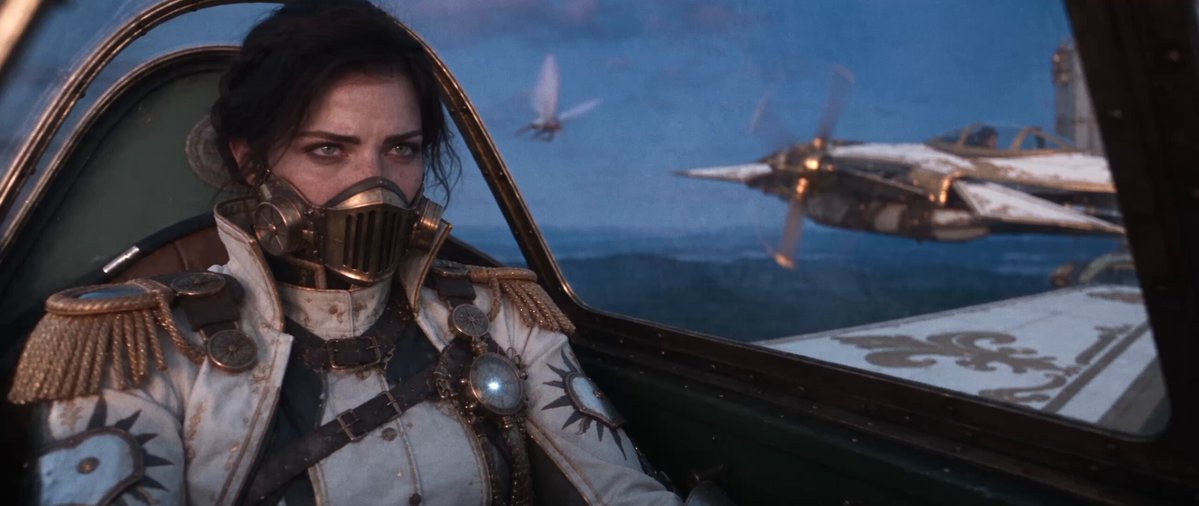
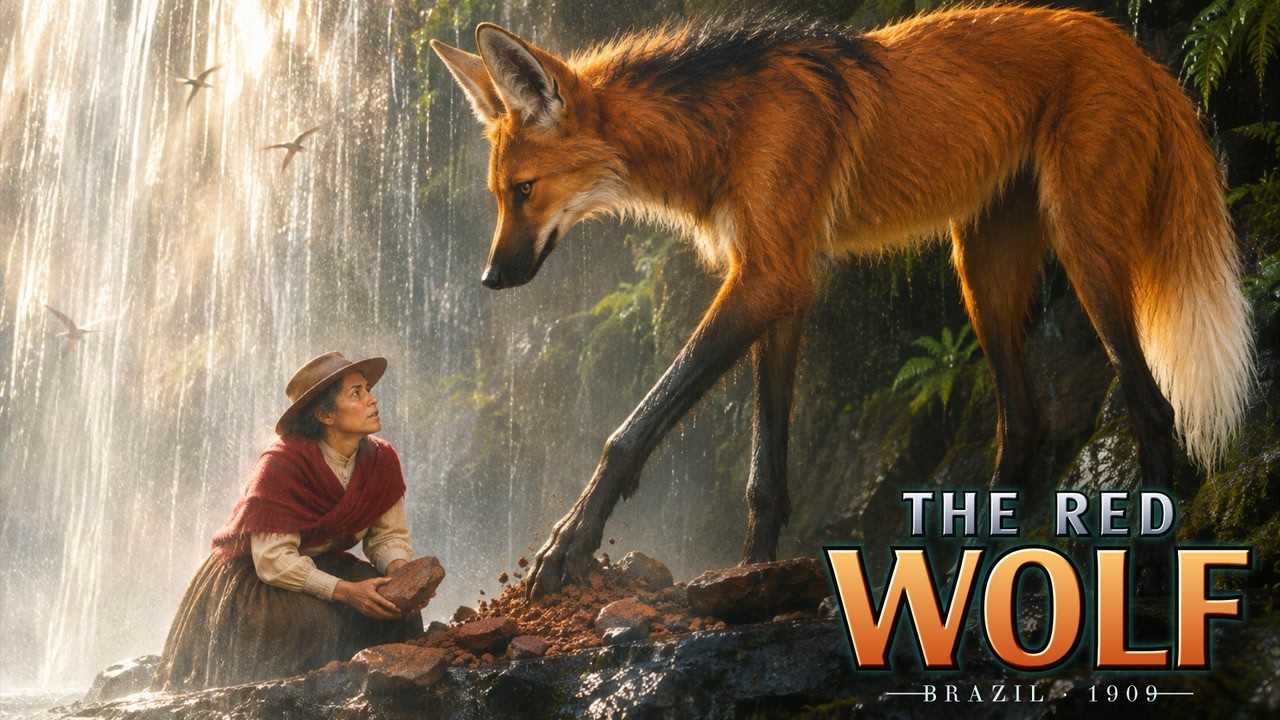
It is the end of the dry season on the high plateau of Goiás, Brazil, in 1909. Ana brings her mule train into a survey camp and finds her younger brother Joaquim, the expedition’s mapmaker, trading with something he has never seen. Each night he leaves bread tied with their mother’s red cord at the canyon’s edge; each dawn there is a green fruit in its place and a four-toed track wider than his hand. Then Joaquim follows the tracks down and does not return, and the survey chief has reasons of his own to send the search the wrong way.
At just under 43 minutes this is Thousand Words FilmS’s longest film in the catalogue so far, and the clearest statement of what its creature fables are about. The studio’s director’s note says it wanted a story about a woman doing what was called a man’s work who refuses to stop looking, and an animal people feared without having seen it. The climax, by the note’s account, turns on a pencil line in a sketchbook rather than a fight.
How it is built
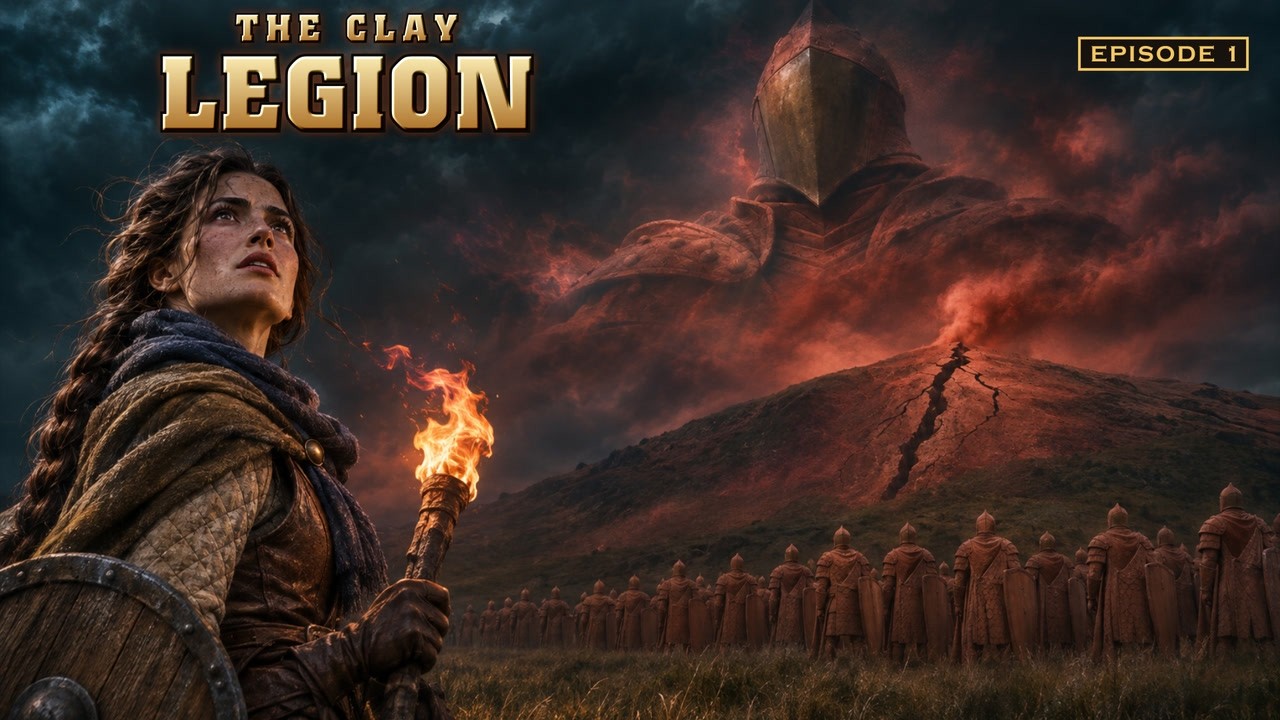
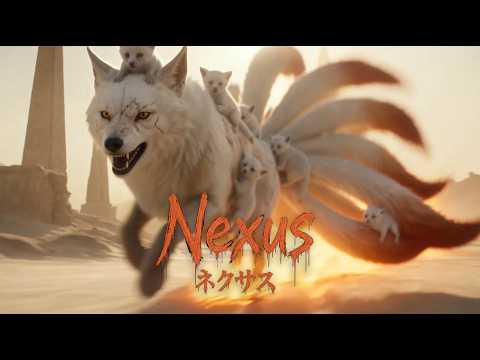
The film is cut in titled chapters, like The Clay Legion: a teaser, a prologue, four parts that move from the red cord to the night climb, and credits. The description separates fact from invention with unusual care. Its wolf is drawn from the maned wolf of Brazil’s Cerrado, a shy fruit-eating canid that stands about 90 centimetres at the shoulder, and the bread-for-fruit trade comes from the animal’s real diet of the lobeira, the wolf apple. The film makes it three metres tall and says plainly that the plateau, the survey and every person in it are fiction.
Thousand Words FilmS credits its own story and screenplay, uses music from the YouTube Audio Library and discloses AI-generated visuals and voices. The models, crew and cost have not been disclosed.