
Four contest shorts
Higgsfield’s Talent Contest drew new work from three makers already in the catalogue this weekend, and a fourth film from a studio that is. All four run about seven minutes, and they could hardly be further apart.
OTSUKAI is Allan Ripley’s turn from the cold science fiction of The Prompter to comedy. An alien ship parks over a Japanese city so that two visitors, a grumpy old traveller and a small, dangerous child, can run an errand: collect a vintage car left with a takoyaki seller long ago. It is drawn in the style of 1990s TV anime, in Japanese with subtitles, and Ripley lists every tool by its role: Seedance 2.5 at native 1080p for video, GPT Image 2.6 and Seedream 5.5 for images, Suno for music, DaVinci Resolve and the Dehancer film-emulation plug-in for the finish. OTSUKAI now opens the homepage carousel.
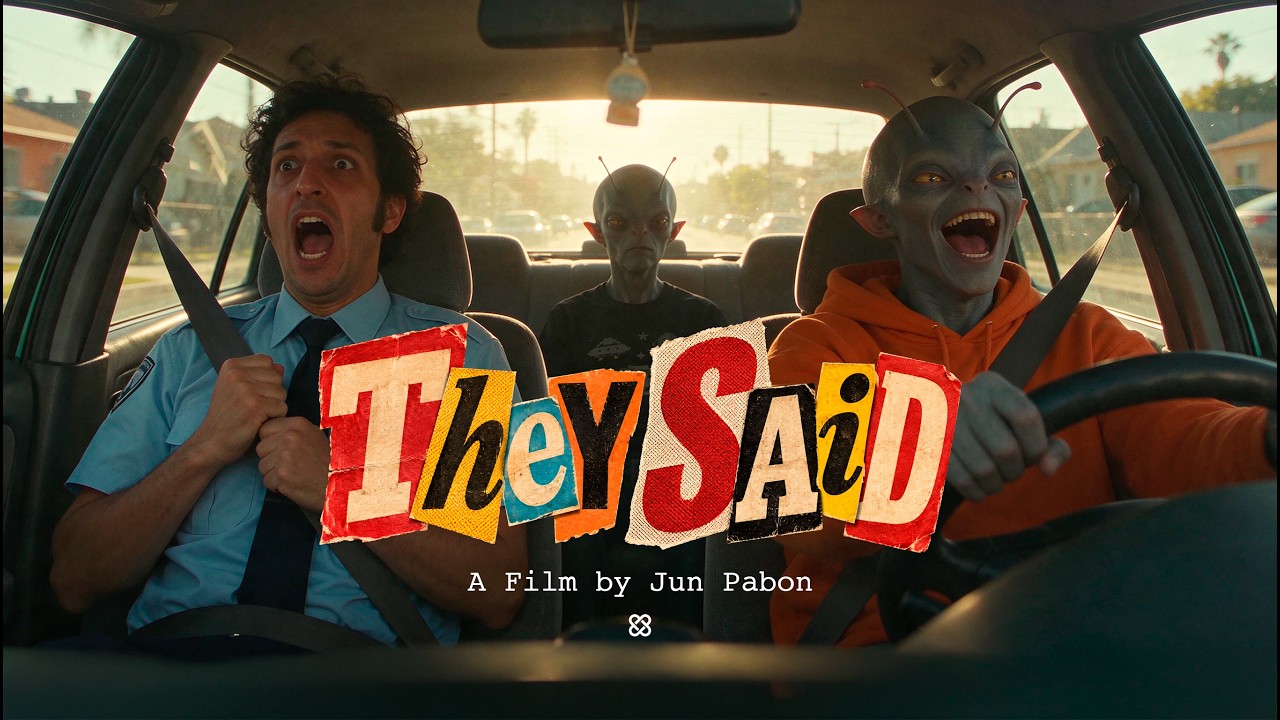
Jun Pabon’s They Said is a dark comedy heist: two aliens recruit a bank guard who lives alone with his cat, and the plan works until his partners get involved. After the straight-faced action of Dominio, it puts the weight on timing and reactions. Pabon says every shot, voice and character was generated and directed shot by shot, without naming models.
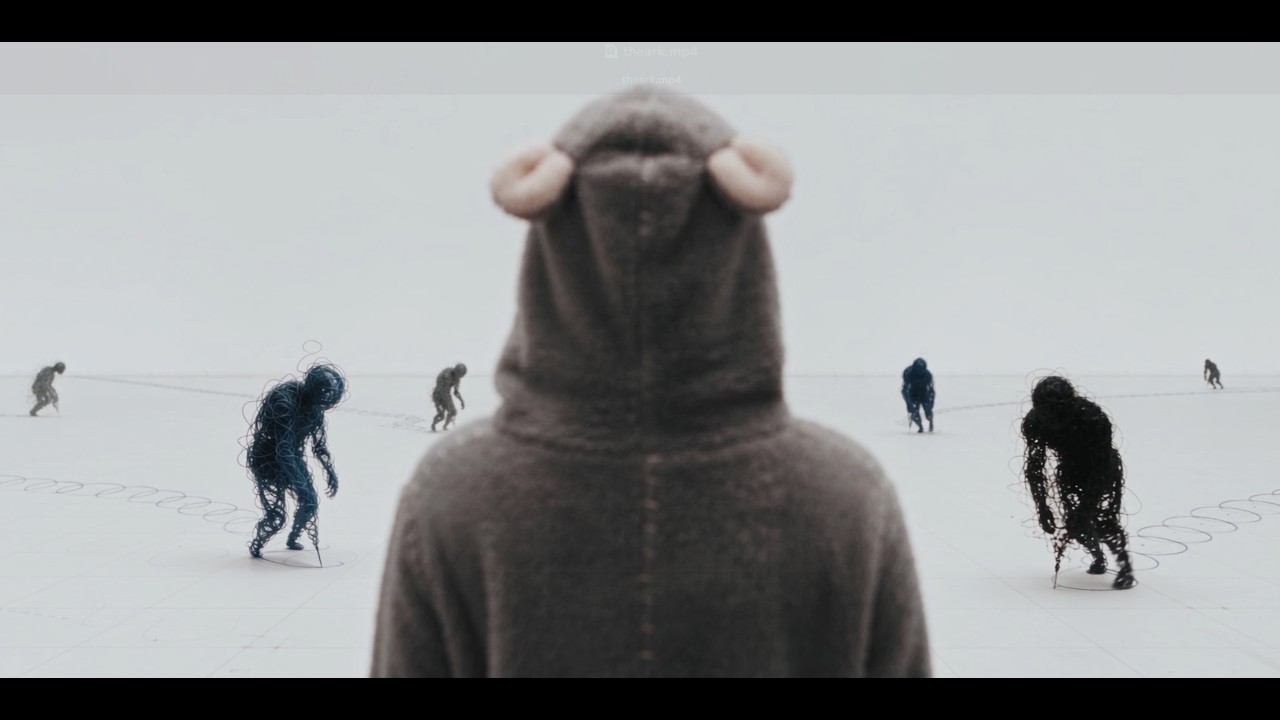
Francesca Fini’s The Ark is the strangest of the four. Vera keeps a lost world’s climates alive inside her house, rain in the kitchen and snow in the bedroom, until a countdown sends her through a red door onto an endless sheet of paper full of ink creatures. Fini, whose SIMUL/ACTION #1 extended live performance with generation, made this one entirely in Higgsfield Cinema Studio with Seedance 2.5.
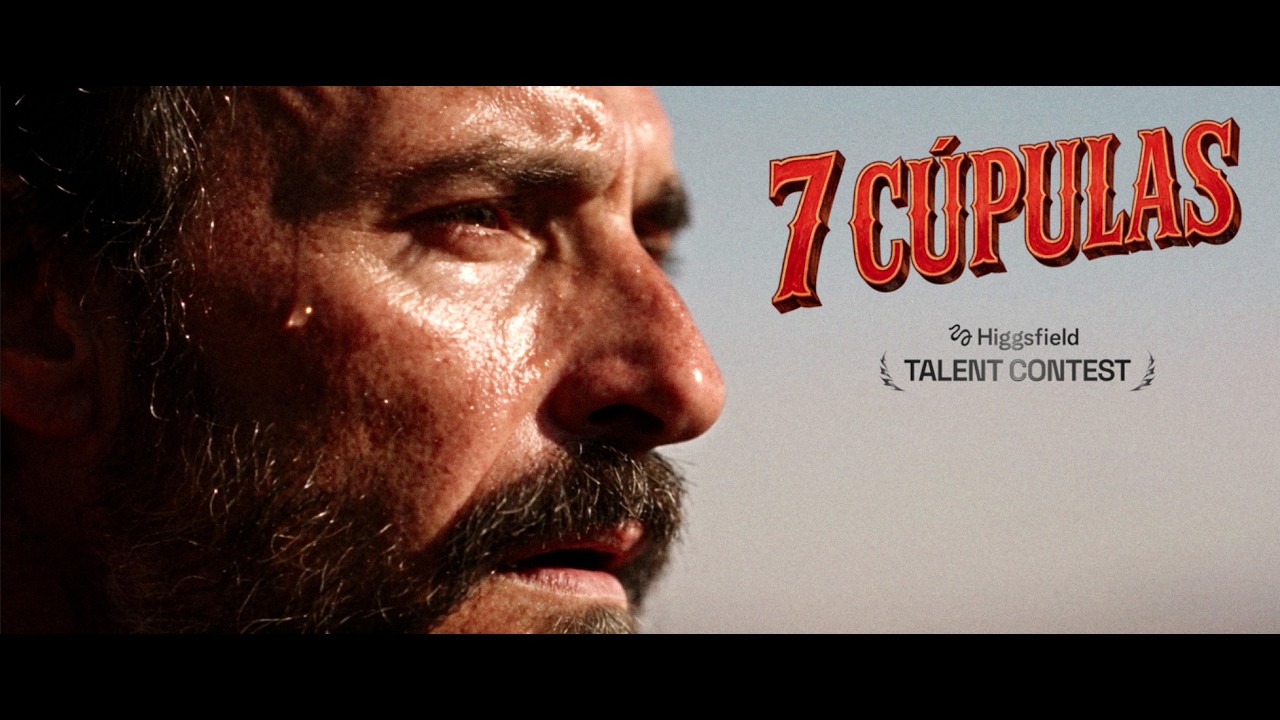
Seven Domes comes from Leandro Mera, released by the Argentine studio Cráneo Films. A Spanish expedition in seventeenth-century La Rioja follows an Indigenous elder into the desert after a city of seven golden domes; the elder, the project page says, is bargaining for his granddaughter’s life. The conquest legend plays out as a fever of heat and greed.
The contest itself will be reviewed for the festivals section once its rules and results can be checked at the organiser. An entry is not an award.
The Red Wolf
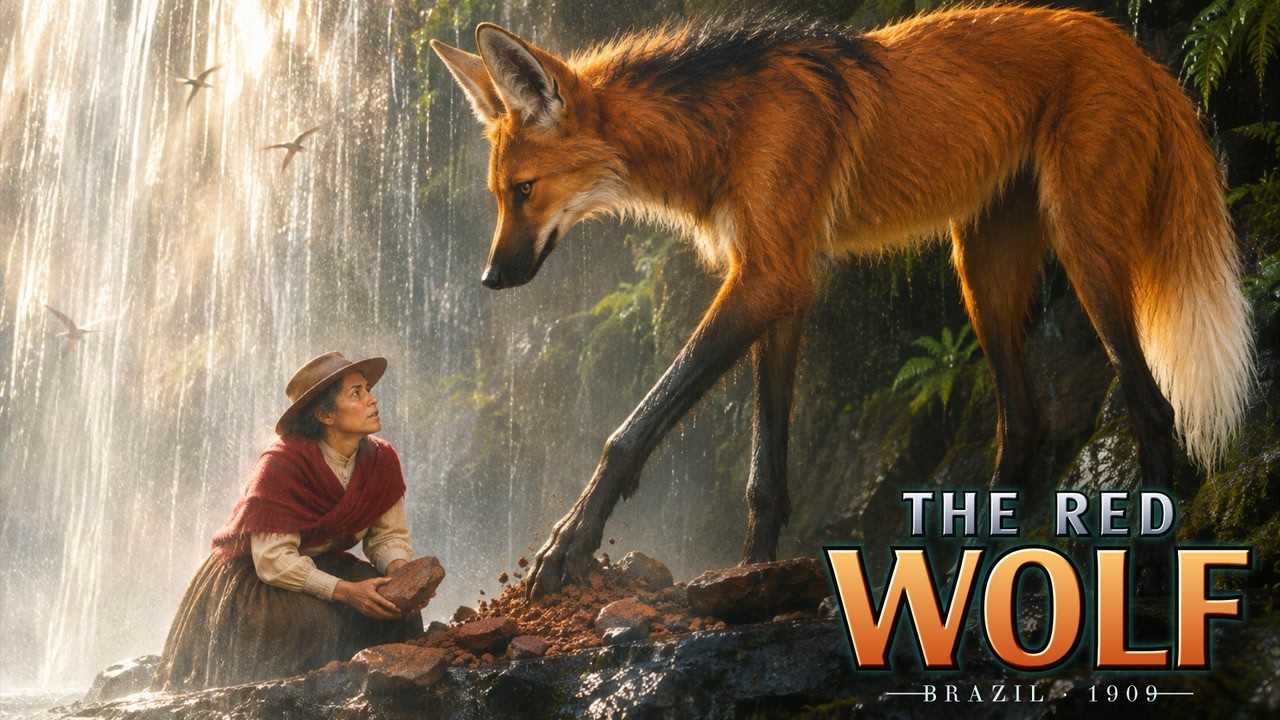
Thousand Words FilmS followed The Clay Legion a day later with The Red Wolf, at just under 43 minutes its longest film in the catalogue. On a Brazilian plateau in 1909, a mule driver searches for her mapmaker brother, who has been trading bread for fruit with an unseen animal at the canyon’s edge. The animal is a giant red wolf, and the description is careful about where it comes from: the real maned wolf of the Cerrado, a shy, fruit-eating canid about 90 centimetres at the shoulder, and the wolf apple it eats all year. The studio cites a 1984 Smithsonian study of the species and states that the giant, the survey and the people are invented.
The director’s note describes a woman doing what was called a man’s work who refuses to stop looking, and a climax decided by a pencil line in a sketchbook rather than by a fight. As with the studio’s other films, the story and screenplay are its own, the visuals and voices are generated, and the models are not named.
Kuvâ-yi Milliye
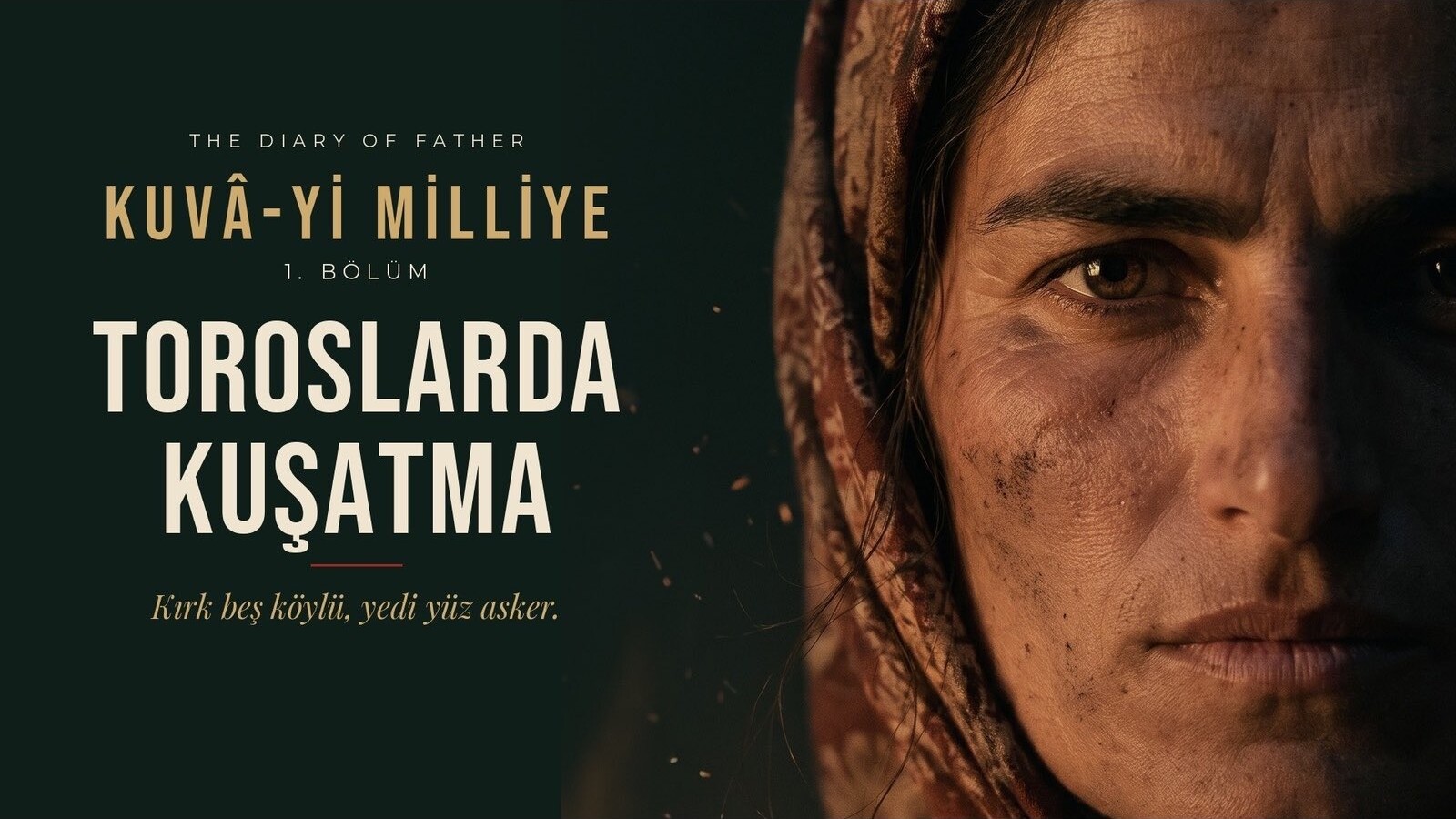
The Diary of Father, which made the Atatürk special Forever, has begun its first series. Kuvâ-yi Milliye follows the irregular national forces of the Turkish War of Independence. Episode 1, Toroslarda Kuşatma (Siege in the Taurus), is set in April and May 1920 and sums up its premise in one line: forty-five villagers, seven hundred French soldiers. The four-minute episode is on X, links a bibliography and tags Higgsfield as a creator partner; cast, crew and models are not credited.
Good Boy, Part II
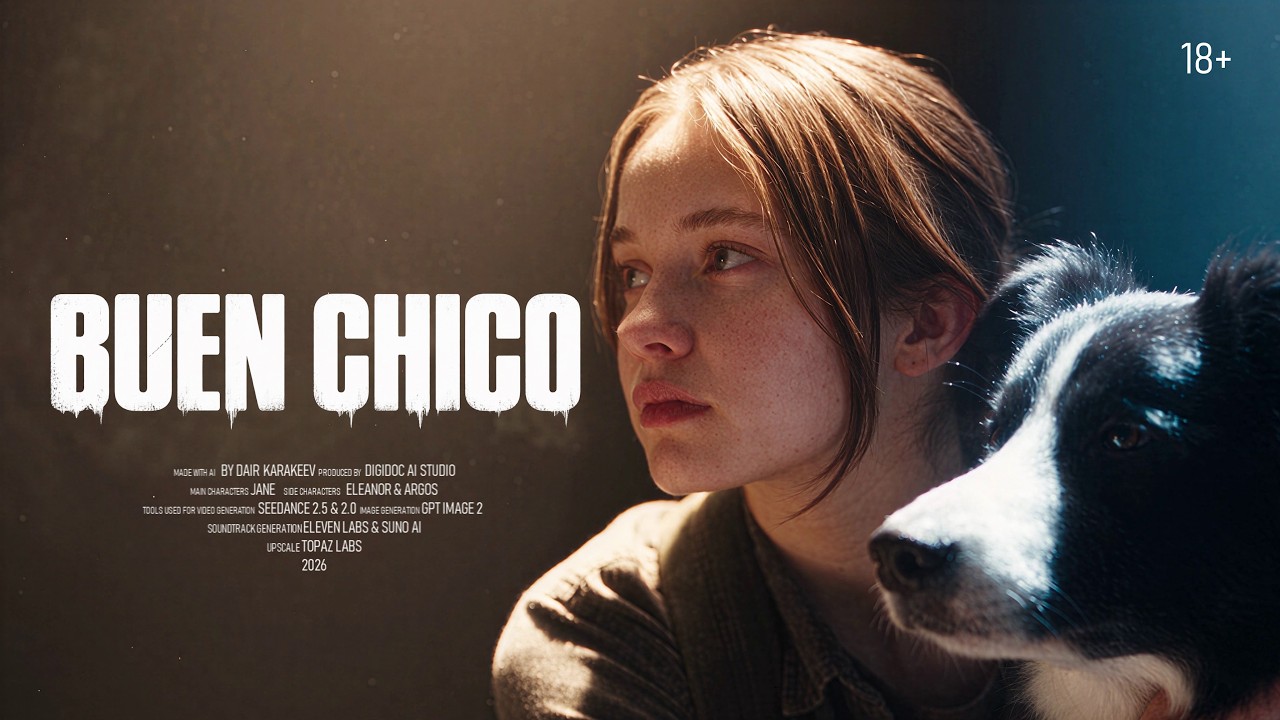
Magnific has released a trailer for Good Boy Part II, the sequel to Dair Karakeev’s 51-minute GOOD BOY. Jane and her dog Argos now have four newborn pups to vaccinate, and the search leads to a sealed underground facility. The trailer credits Karakeev as writer and director and presents the film as a Magnific Creative Hub series. There is no release date yet.