
Nexus gives the Knight a voice
In the Prison Break — Part I production notebook, the Nexus team describes how it kept a masked character’s voice consistent across generated shots. For the Crimson Knight, the team used a rougher delivery from a generated Viking as an audio reference, separating the sound it wanted from the face it wanted to show. The public guide also describes how the team stores approved references on its shared Dreamina canvas and leaves room for gestures and pauses between lines.
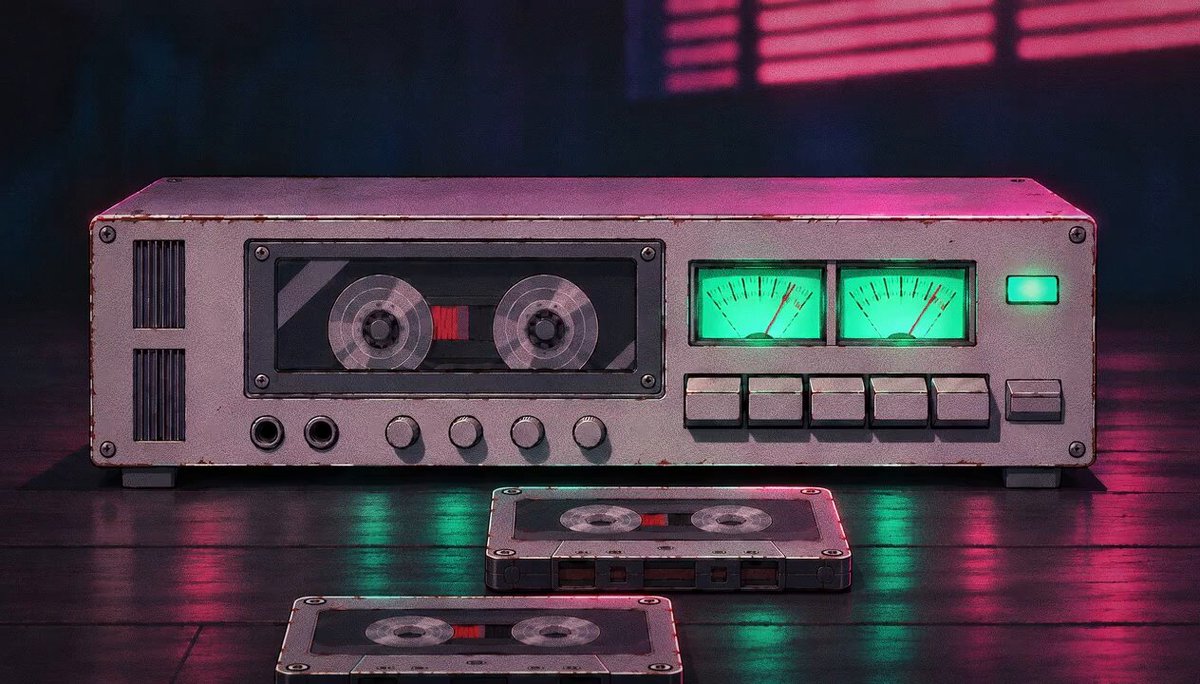
Dream Tape keeps a changing room
Dream Tape uses the cassette as a way to hold onto a dream. antic’s editing follow-up explains that some room changes were worth keeping for the dream’s logic. The maker reworked other surreal details when they distracted from the story. Both choices rely on deciding what the viewer needs to recognize across a cut.
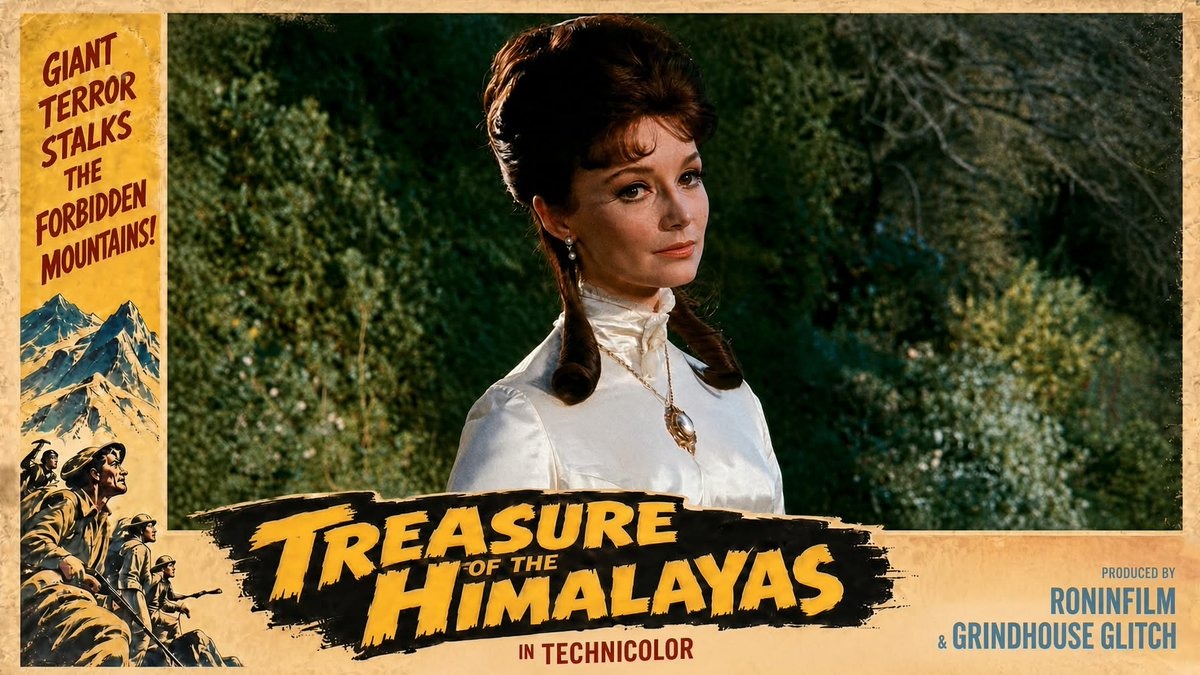
Treasure of the Himalayas adds Part One
The series guide now includes Part One and links to Roninfilm’s official listing. Gwinn identifies a longer release of about eight and a half minutes and credits Peter Hyoguchi as co-producer. Roninfilm describes the project as a hybrid of live-action performance and generative AI.