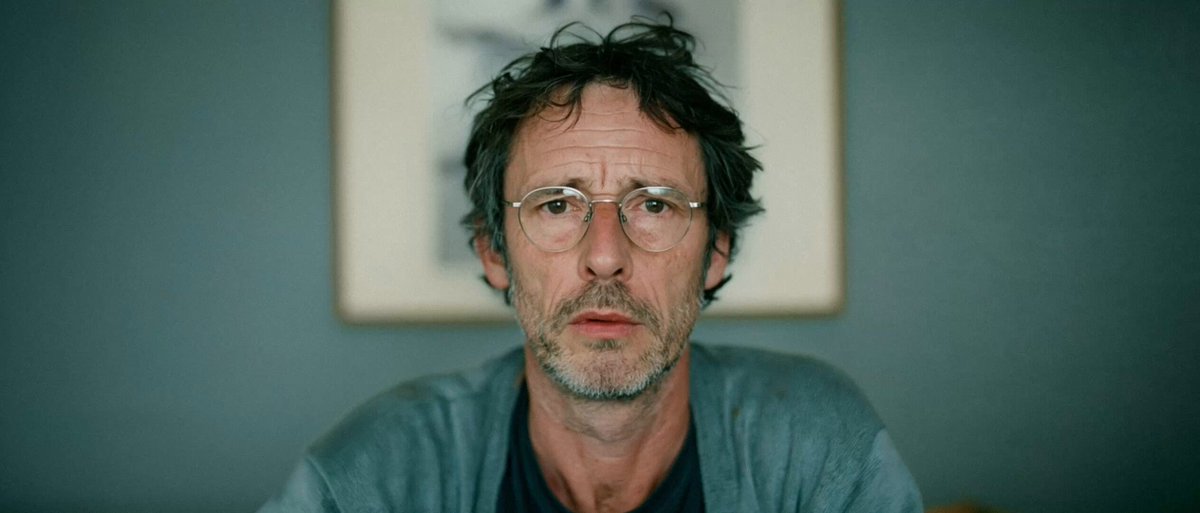
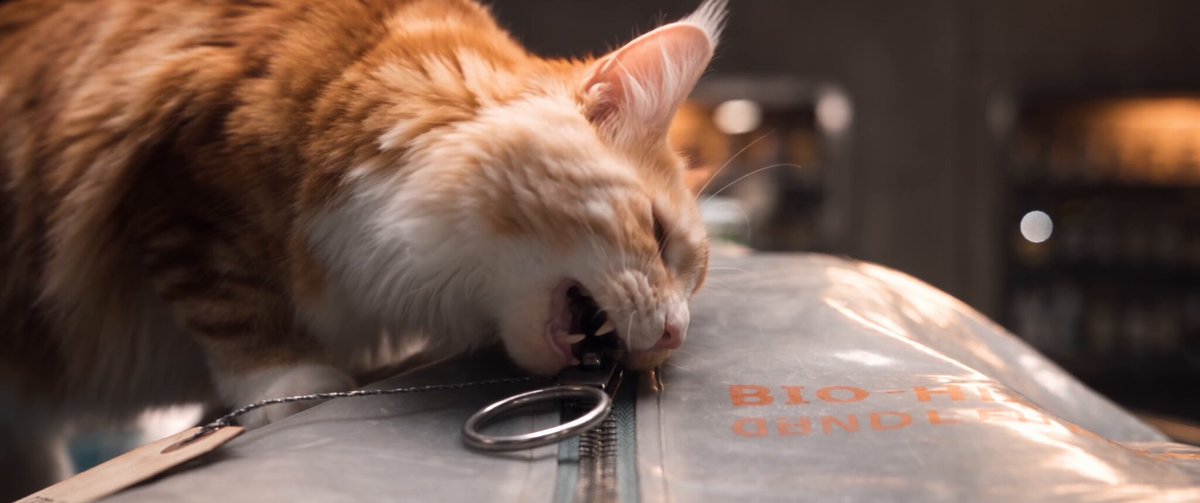
SPARE joins the collection as a dialogue-led short with disclosed Kling beta access. Morgue Cat — Episode 1 turns the earlier production announcement into a public release.
A documentary production experiment
Alex Patrascu’s The City Beneath Your Feet is presented as an approximately eight-minute documentary explainer. Its title is visible in his illustrated production brief. His release thread attributes research, writing, generation, editing and delivery to Claude Opus 5.5 working through Higgsfield, with an 8h 21m overall timeline and human intervention to choose the host voice. These are maker-reported results, not an independently audited measure of autonomy or factual accuracy.
His practical disclosure is more useful than the one-prompt framing: he reports creating a Seed Audio 1.0 voice sample and attaching it to speaking Seedance 2.5 shots. He also describes reusing one face image and voice sample across five locations, selecting 77 clips from 96 video generations. Those are scoped production claims, not a complete cost accounting.
The brief specifies a camera, lens and film-stock look. These are generation style instructions, not evidence that physical ARRICAM or Cooke equipment was used. A documentary’s synthetic visual realism does not establish that its locations or factual claims are accurate.
This explainer is included as craft coverage rather than a narrative-film collection entry. Its full factual argument has not been independently checked, and no full critical viewing is claimed.
Two other approaches to performance
Simon Mayr’s sponsored music video discloses a specific lip-sync method: combine character stills with the actual music track rendered against a black frame. He thanks Ben Chimoy for help. The release is music-video and model-launch work, so it is covered as craft rather than selected as a narrative film. Camera-motion and reference-control claims remain his assessment.
Gavin Purcell’s Present Company discusses synthetic beings and unreliable narrators. The creator describes agent execution under his guidance and estimates $108 in Runway credits, plus a Claude subscription. This is usage cost, not a full budget. It is covered here as a synthetic-media essay experiment; no narrative-film review is claimed.
Indra’s painterly animation reports repeated frame selection with Opus 5.5. It is not selected for the narrative collection: the original release foregrounds a rendering experiment and provides no titled story or dramatic premise. That is an editorial decision about the released material, not a claim that the maker cannot tell stories.