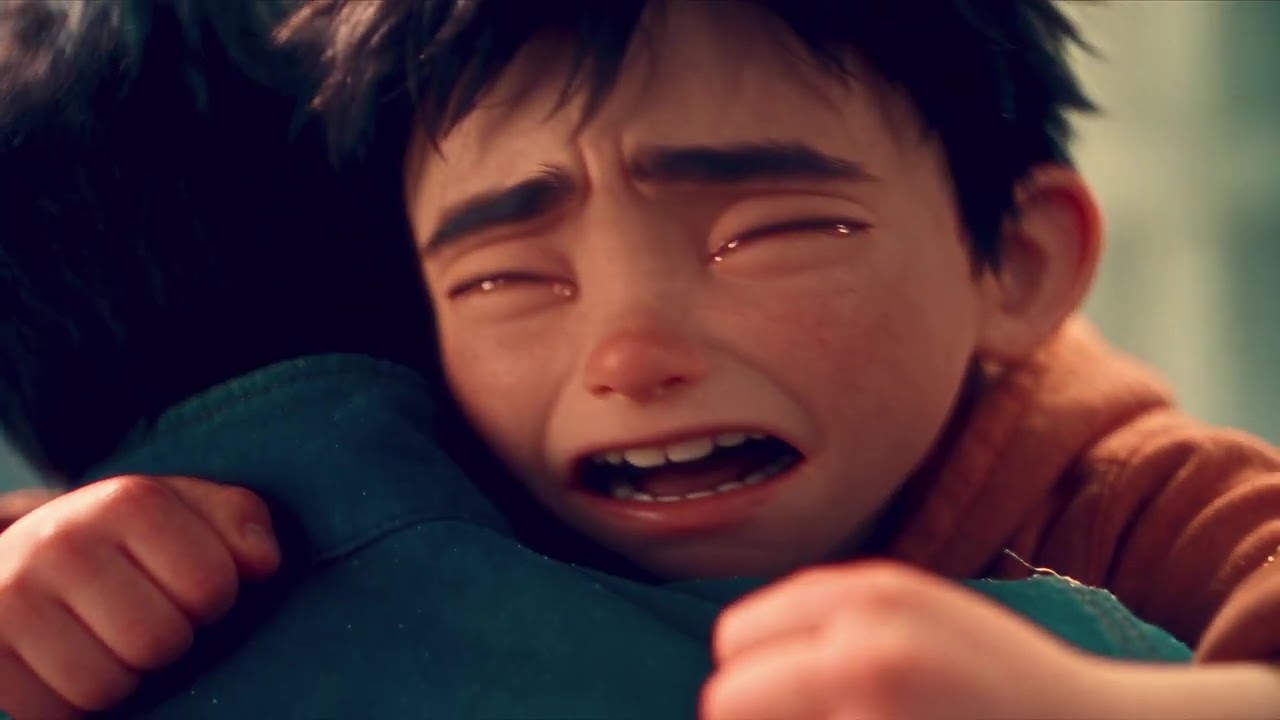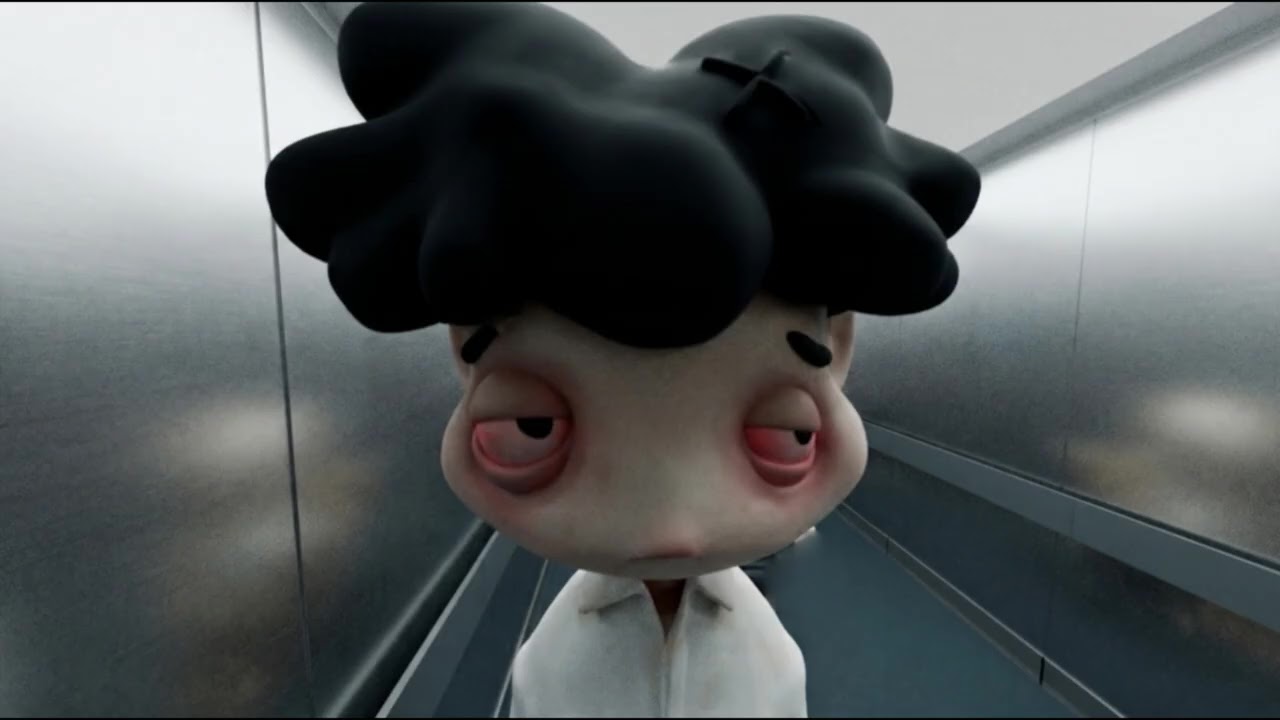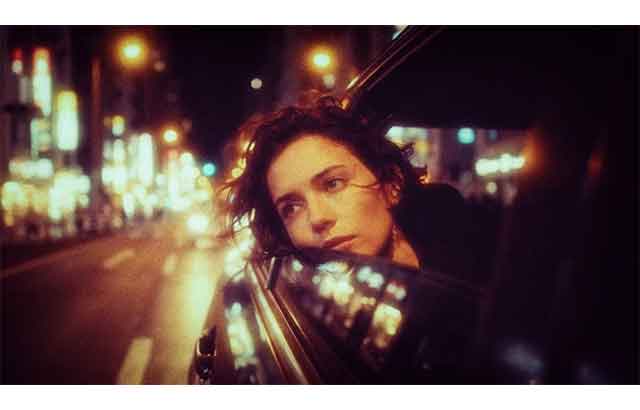
The film examines alienation through shifting female figures and draws inspiration from Georges Perec’s A Man Asleep and its 1974 film treatment.
Why this film matters
Generated images and a synthetic narrator offer a formal way to explore mediated experience. The interesting question is what the editing makes us feel or understand about disconnection, rather than whether individual images appear photographic.
Milliyet Sanat reports selection for Cottbus’s November 3–8 feature competition and a planned Başka Sinema release in 20 Turkish cities in spring 2027. The planned general release remains an attributed announcement. A full public stream is unverified. Exact generation models and total budget are undisclosed.
Ankara Film Festival
The 37th Ankara Film Festival programmed the film in Taptaze / Fresh at Büyülü Fener Kızılay, Salon 3. Its ticketing partner lists November 13, 2026. The official programme credits Spongeworthy Studio for production and world sales and Başka Sinema for distribution. It describes the film as assembled from a pool of more than 50,000 generated shots using customised models and narrated with Bardot’s own voice clone. It gives no exact model names. Festival programme · Screening listing
Paris opening programme
Signes de Nuit lists the French premiere of A Woman Asleep in its opening programme on November 9 at 20:00 local time, at the Maison des étudiants arméniens, Cité universitaire, Paris. Its programme lists 79 minutes, while Ankara lists 80. Paris festival programme
The Cottbus ticket listings scheduled the film for November 4 at 18:15 and November 7 at 13:30 at Weltspiegel. These sources establish the programme dates. November 4 listing · November 7 listing
Writing a shared experience
In rbbKultur’s November 7 interview, Bardot says the script grew out of her experience of being overwhelmed by messages and news. She and Alkan Avcıoğlu wrote the screenplay together. Bardot explains that she spread the experience across several women so that the isolation would register as a collective condition. The report also describes how the filmmakers leave the generated images’ artificiality and imperfections visible. The repeated figures and polished surfaces give that feeling a visual form. rbbKultur interview
Cottbus screening response
After the competition, Cottbus programmer Joshua Jádi told Film New Europe that one audience cheered and asked to meet the director. Programme director Bernd Buder discussed the film’s use of synthetic imagery as an expressive medium. Their accounts describe a particular festival reception. They provide neither a measured audience score nor an award.